
In a busy supermarket, fresh fruits and vegetables create an inviting display but behind the scenes, quality control teams often struggle with unexpected ripening, softness, and discoloration.
One major contributor that is often overlooked? Standard display lighting.
While traditional lighting helps shoppers see products clearly, it also emits wavelengths that can accelerate ethylene production and other ripening triggers in fresh produce.
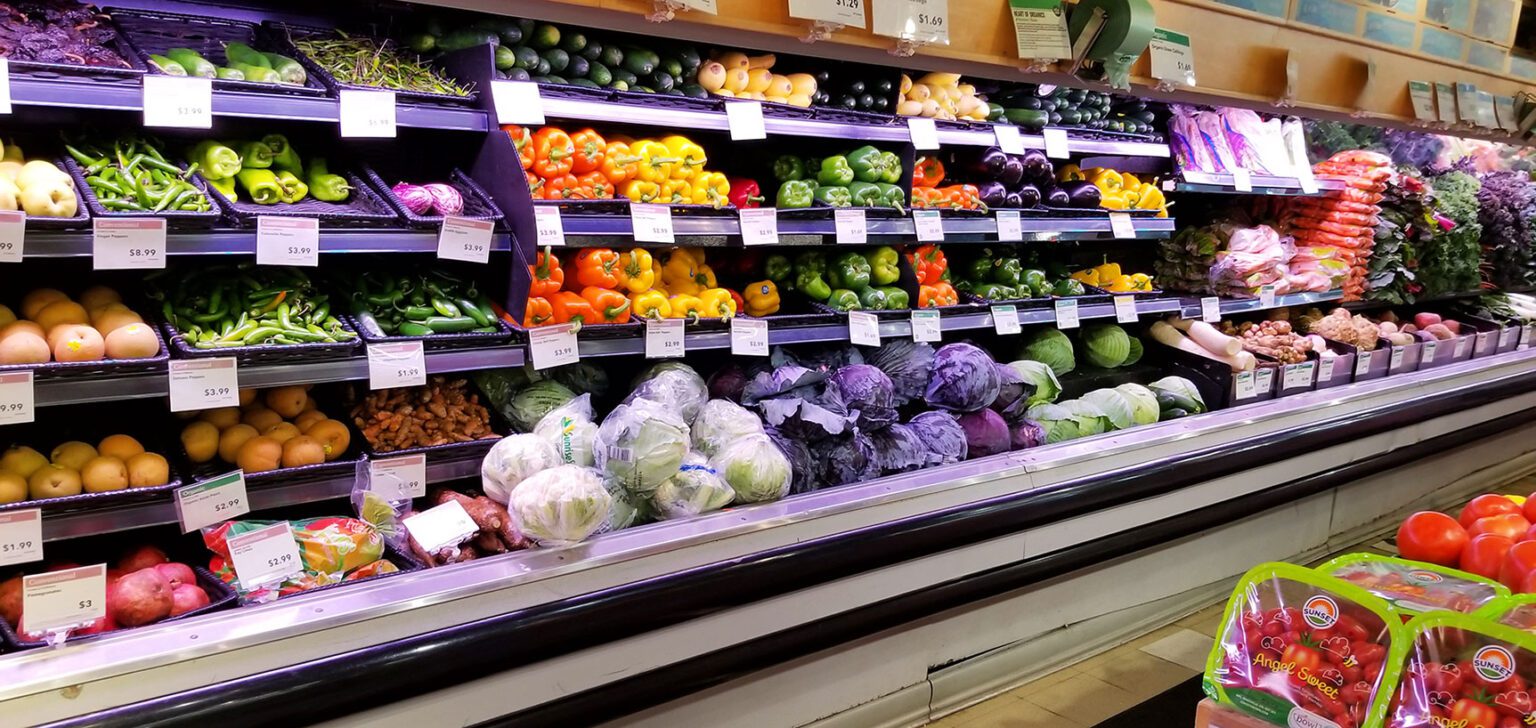
Promolux SafeSpectrum™ LED lighting is engineered to reduce these effects, helping your produce stay fresher and more marketable for longer.
Why Ethylene Management Matters in Produce Departments
Ethylene is a natural plant hormone that regulates ripening.
- Bananas, tomatoes, and avocados can soften or over‑ripen quickly.
- Leafy greens near ethylene producers can yellow faster.
- Peppers and cucumbers lose firmness and glossiness prematurely.
Industry insight:
Quality assurance teams report that ethylene buildup combined with improper lighting can shorten display life by up to 20% in some produce sections.
That means:
- More culling and trimming
- Higher shrink percentages
- Reduced customer confidence in product freshness
How Standard Lighting Exacerbates Ethylene Issues
Most produce cases still use conventional LEDs or fluorescent tubes chosen mainly for brightness and efficiency. However, these lighting systems often emit high-energy blue and violet wavelengths that can:
- Stress plant tissues:
- Light exposure triggers oxidative stress in chlorophyll-rich products.
- This stress increases ethylene synthesis, accelerating ripening.
- Destabilize pigments and nutrients:
- Chlorophyll breaks down more quickly.
- Carotenoids and antioxidants diminish, reducing visual and nutritional appeal.
Result: Even well-refrigerated produce can show yellowing, softening, and off-flavors earlier than expected.
SafeSpectrum™ LED Lighting: A QA-Friendly Solution
- Reduced ethylene-triggering stress: Gentle, low-UV spectrum helps keep ripening under control.
- Preserves color and nutrients: Leafy greens stay vibrant, peppers retain shine, and berries hold antioxidants longer.
- Enhances product life: Slows premature ripening, reducing shrink and improving sell-through.
- QA alignment: Helps meet quality assurance targets for color, firmness, and shelf stability.
Research Backing the Approach
Scientific literature and field studies support the impact of light spectrum on produce quality:
- Rohloff et al., 2016 (Postharvest Biology): Investigated light effects on potatoes and other produce. Found that excessive blue-light exposure increased oxidative stress and degradation markers, while controlled spectra maintained quality.
- Promolux Technical Archives:
Internal testing on mixed produce (leafy greens and ethylene-sensitive fruits) showed that products displayed under SafeSpectrum™ LEDs maintained chlorophyll and firmness noticeably longer than those under standard retail lighting.
These findings align with QA reports from stores using SafeSpectrum™ lighting.
“We’ve seen a clear reduction in premature yellowing of lettuce and less trimming of peppers since switching to SafeSpectrum™ LEDs.” Produce QA Manager, National Grocery Chain.
Measurable Benefits for Produce QA Teams
Stores that implemented SafeSpectrum™ LEDs in produce sections have reported:
- Slower Ripening: Fruits and greens remain saleable for additional days.
- Lower Shrink: Less product loss due to over-ripening.
- Improved Customer Experience: Shoppers see fresher, more vibrant produce, driving repeat visits.
Tips for Maximizing Results
Lighting is just one factor in produce quality. Combine SafeSpectrum™ LEDs with these best practices for maximum impact:
- Maintain airflow: Proper circulation helps manage ethylene build-up.
- Separate ethylene producers: Keep bananas, avocados, and tomatoes away from sensitive greens.
- Monitor temperature: Stable, recommended storage temps slow respiration.
- Clean lighting fixtures: Ensure consistent, even illumination.
Sustainability and Brand Image
By controlling light-induced stress and ethylene-related issues, stores also achieve broader sustainability goals:
- Less waste: Longer shelf life means fewer products discarded.
- Energy savings: SafeSpectrum™ LEDs match or exceed standard LEDs in efficiency.
- Brand reputation: A well-maintained produce section strengthens shopper trust and loyalty.
Final Thoughts
Ethylene management is a critical, yet often hidden, part of produce quality assurance.
With Promolux SafeSpectrum™ LED lighting, retailers can:
- Reduce light-induced ethylene stress.
- Maintain vibrant colors and firmness in fresh produce.
- Protect revenue by minimizing shrink and waste.
SafeSpectrum™ LEDs go beyond illumination they are a practical tool for smarter QA and better merchandising.
Learn more about enhancing your produce displays: www.safespectrum.com
References
- Rohloff, J. et al. (2016). Light effects on potato quality during postharvest storage. Postharvest Biology and Technology.
DOI:10.1016/j.postharvbio.2016.03.010 - Promolux Technical Archives. Comparative testing on leafy greens and ethylene-sensitive fruits under SafeSpectrum™ vs. standard lighting. (Internal data)