
Why sensory science should include lighting exposure variables
Introduction
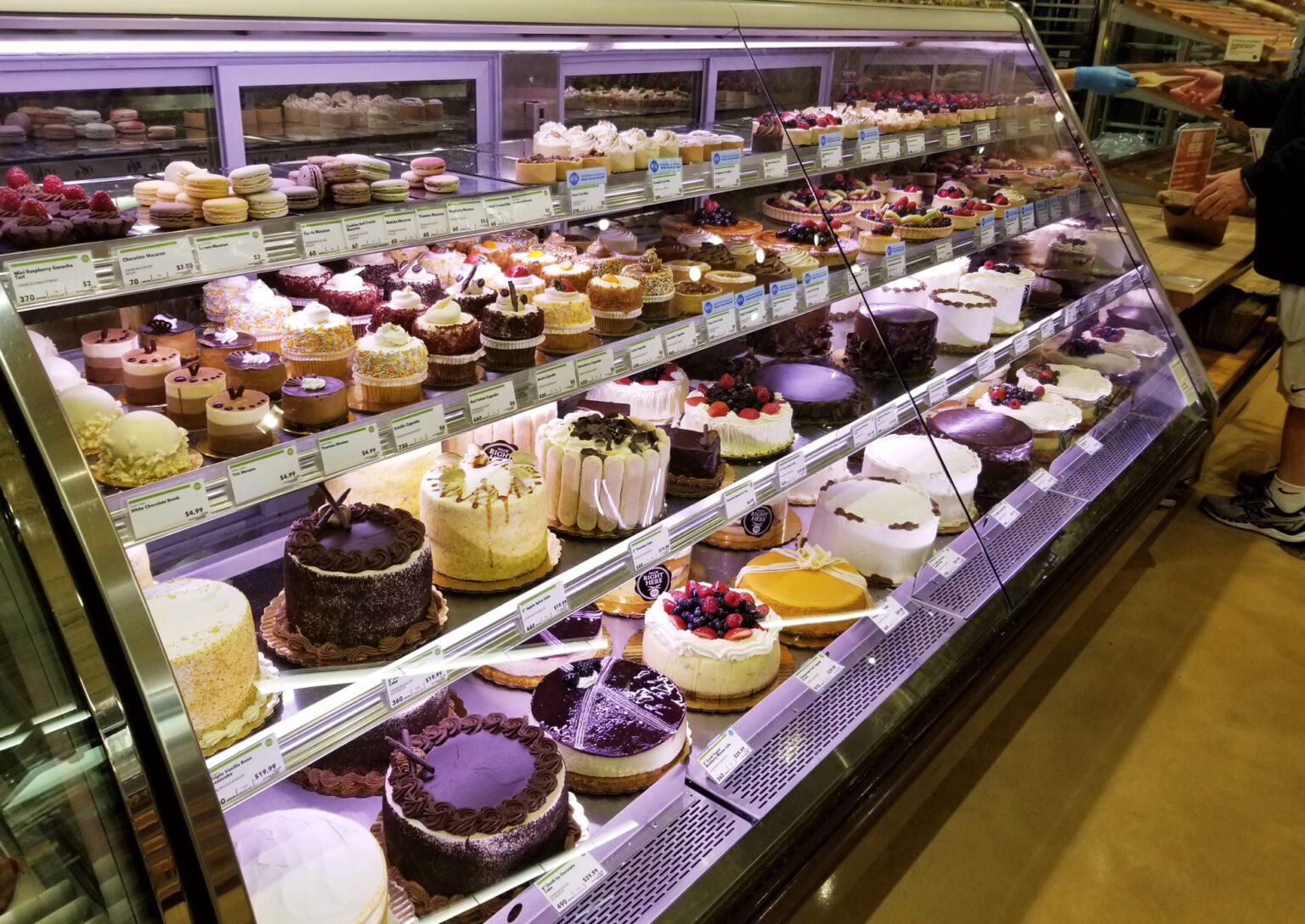
Sensory science plays a central role in understanding how consumers perceive food quality through sight, smell, taste, and texture. However, one critical environmental factor is often underestimated in sensory evaluation models: lighting. In retail environments, continuous exposure to illumination can influence not only food stability but also consumer perception. This is closely connected to light-induced food degradation, which affects both chemical quality and visual appearance.
In food photochemistry, light exposure triggers reactions that can change color intensity, surface gloss, and perceived freshness of products. These changes directly influence how consumers interpret quality, even before tasting the product. As a result, sensory outcomes are strongly linked to food chemistry degradation, especially in display based food systems.
Understanding food oxidation science is essential for explaining how visual and chemical changes occur simultaneously under retail lighting. These changes are often driven by photochemical food degradation, which alters both measurable quality and perceived freshness.
Why sensory science should include lighting exposure variables
Lighting as a sensory influencing factor
Traditional sensory science focuses on taste, smell, and texture, but visual perception is equally important. In food exposure science, lighting is a key variable that shapes how consumers interpret freshness and quality.
Without considering lighting conditions, sensory results may not reflect real retail behavior where products are continuously exposed to artificial illumination.
How lighting influences sensory evaluation outcomes
Color perception shifts due to photodegradation
In food photochemistry, pigments break down under light exposure, leading to color fading or darkening. This directly impacts sensory judgments related to freshness and quality.
These changes are part of light-induced food degradation, which strongly affects visual acceptance.
Oxidation effects on aroma perception
In food oxidation science, light accelerates the formation of volatile compounds that alter aroma profiles. Even slight oxidation can influence sensory responses during evaluation.
These effects are often measured using oxidation biomarkers in food, which help correlate chemical changes with sensory perception shifts.
Texture perception influenced by structural stability
Changes in food chemistry degradation can also affect texture, especially in emulsified or semi solid foods. These structural shifts influence how consumers perceive mouthfeel and consistency.
Interaction of multiple sensory cues
Sensory science must consider how visual, aroma, and texture cues interact. When food exposure science is not controlled, lighting can distort one or more sensory signals, leading to biased results.
Importance of integrating lighting into sensory science
Improved accuracy in sensory testing
Including lighting variables improves the reliability of sensory evaluations. Without controlling for food display exposure science, results may not reflect real retail conditions.
Better understanding of consumer behavior
Consumers make decisions based heavily on visual cues. In retail food quality science, lighting influenced perception often determines purchase behavior before taste evaluation occurs.
Enhanced predictive models
Integrating lighting conditions into food stability science allows researchers to build better predictive models for product performance in retail environments.
More realistic product testing environments
Using controlled exposure food testing, sensory panels can evaluate products under lighting conditions that replicate actual store environments.
Scientific evaluation of sensory and lighting interaction
Photostability testing food applications
Through photostability testing food, researchers can assess how lighting affects both chemical stability and sensory perception.
Scientific food quality validation
Scientific food quality validation ensures that sensory outcomes align with real-world product behavior under retail lighting exposure.
Product stability validation in sensory contexts
In product stability validation, both chemical and sensory data are combined to understand full product performance.
Food quality risk assessment in perception studies
Food quality risk assessment helps identify how lighting may distort consumer perception of product quality.
Why sensory science must evolve with retail environments
Increasing role of visual merchandising
Modern retail environments rely heavily on visual presentation. This increases the importance of understanding food display exposure science in sensory evaluation.
Impact of continuous lighting exposure
Products are often exposed to light for long durations, making light-induced food degradation a constant factor in sensory perception.
Variation in retail lighting systems
Different stores use different lighting technologies, affecting food chemistry degradation rates and sensory outcomes.
Integration of scientific lighting design
Advances in scientific food exposure testing and scientific lighting design for food retail are helping bridge the gap between sensory science and real retail conditions.
Conclusion
Sensory science must evolve beyond traditional taste and texture analysis to include environmental factors such as lighting. Continuous exposure to illumination contributes to light-induced food degradation, which directly influences both chemical stability and consumer perception.
Through food photochemistry, food oxidation science, and food exposure science, researchers can better understand how sensory outcomes are shaped by retail lighting conditions. These processes are closely tied to food quality degradation mechanisms and overall product performance.
By integrating food display exposure science, improving food matrix stability, and applying scientific food quality validation, sensory science can produce more accurate and realistic results.
Ultimately, a deeper understanding of food stability science, food shelf life science, and retail food quality science is essential for aligning sensory evaluation with real-world consumer experiences.
For more information on food safety and display science solutions visit https://www.safespectrum.com