
Why many food validation protocols overlook lighting variables
Introduction
In modern product development, food validation protocols are designed to ensure safety, stability, and shelf life performance before products reach the market. However, many existing systems still fail to properly account for one critical environmental factor: light exposure. This gap leads to incomplete assessments of light-induced food degradation, especially in products displayed under retail lighting conditions.
In food photochemistry, light acts as an active driver of chemical reactions that can alter product quality even when temperature and packaging are controlled. Without including lighting variables in testing, validation systems often underestimate real world degradation risks.
This is particularly important in food oxidation science, where exposure to light accelerates oxidative reactions that affect fats, pigments, and sensitive nutrients. As a result, many products experience photochemical food degradation that is not fully predicted during standard validation.
To improve accuracy, scientists must strengthen food quality degradation mechanisms analysis by incorporating structured light exposure protocols into validation systems.
How to build better light exposure testing protocols
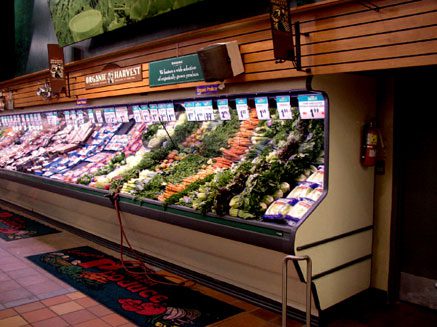
- Simulate real retail lighting conditions: Testing should replicate actual store environments to accurately measure food display exposure science effects.
Key factors to include:- Continuous lighting exposure
- Variable light intensity
- Different LED spectrum conditions
- Display case reflection effects
- Include photostability testing frameworks: Food scientists should integrate photostability testing food methods into validation protocols to measure how products respond to light over time.
- Evaluate ingredient level sensitivity: Different ingredients respond differently to light exposure. Testing must include ingredient photostability analysis for:
- Lipids and oils
- Natural pigments
- Vitamins and antioxidants
- Protein based compounds
- Monitor oxidation development: Protocols should track oxidation biomarkers in food to understand how quickly degradation occurs under light exposure.
- Assess food matrix behavior: In food matrix stability, structural changes under light must be evaluated, especially for emulsified and multi phase systems.
Key components of improved validation protocols
Controlled exposure testing design
- Use controlled exposure food testing setups
- Adjust light intensity and duration
- Simulate retail shelf conditions
Scientific validation steps
- Conduct scientific food quality validation under multiple lighting scenarios
- Compare results with dark storage controls
- Measure chemical and sensory changes
Product stability assessment
- Apply product stability validation methods
- Track degradation over time
- Identify early failure points
Food quality risk analysis
- Perform food quality risk assessment based on light exposure data
- Classify products by sensitivity level
Practical checklist for food scientists
Testing environment setup
- Simulate retail lighting conditions
- Include continuous exposure cycles
- Test multiple packaging types
Data collection requirements
- Track food chemistry degradation markers
- Monitor light-induced food degradation patterns
- Record sensory changes
Ingredient analysis
- Evaluate light sensitivity in food ingredients
- Test ingredient degradation science outcomes
- Compare stability across formulations
Validation reporting
- Include scientific food exposure testing results
- Document photochemical food degradation behavior
- Provide full food stability science summary
Conclusion
Many traditional food validation protocols fail to account for lighting variables, leading to incomplete understanding of product stability under real retail conditions. Without considering light-induced food degradation, products may pass laboratory tests but still degrade quickly in stores.
By integrating food photochemistry, food oxidation science, and food exposure science, food scientists can build more accurate and reliable testing systems. Incorporating photostability testing food, ingredient photostability, and controlled exposure food testing ensures better prediction of real world performance.
Ultimately, strengthening food quality degradation mechanisms, improving food shelf life science, and enhancing retail food quality science will lead to more reliable product validation and safer, higher quality food systems. visit https://www.safespectrum.com