
The science behind modern food-safe LED lighting
The Challenge of Maintaining Freshness
Retail food displays must balance two competing objectives: presenting food attractively to customers while preserving product quality. Fresh lighting systems must highlight color and texture without accelerating food degradation.
In conventional display environments, lighting can contribute to the deterioration of perishable foods. Exposure to continuous light stimulates chemical reactions that cause discoloration, nutrient loss, and moisture evaporation. These processes reduce shelf life and increase food waste.
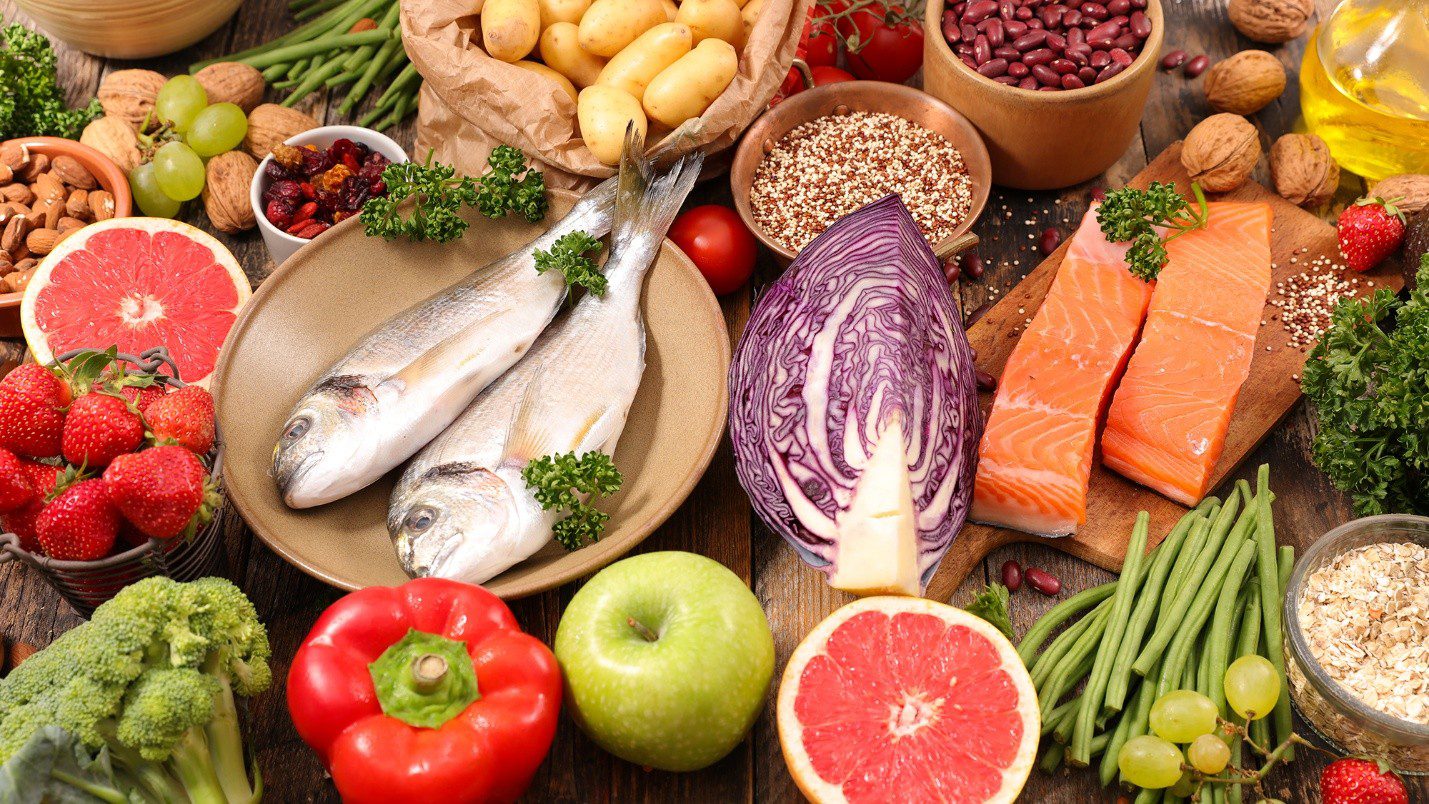
Light Exposure and Food Shelf Life
Shelf life is influenced by several environmental factors, including temperature, oxygen exposure, and lighting conditions. Scientific studies have demonstrated that reducing harmful wavelengths in lighting can significantly slow the rate at which foods degrade.
This is particularly important for highly sensitive foods such as seafood and dairy products. When these foods are exposed to light containing oxidizing wavelengths, chemical reactions occur that affect both taste and appearance.
The Importance of Spectrum Control
Spectrum control refers to adjusting the wavelengths emitted by a lighting system. Instead of producing a broad spectrum of light, specialized lighting technologies limit the emission of wavelengths that cause damage to food.
Benefits of spectrum control include:
- Reduced oxidation of fats and proteins
- Improved pigment stability
- Slower nutrient degradation
- Enhanced natural color appearance
This approach allows retailers to maintain visual appeal while protecting product quality.
Promolux Balanced Spectrum Technology
Promolux LED lighting uses a balanced spectrum approach, which provides enough light for merchandising while avoiding harmful wavelengths.
By carefully controlling spectral output, Promolux LEDs protect food from radiation that causes discoloration and spoilage. This technology allows foods such as meat, seafood, and deli products to retain their natural color longer.
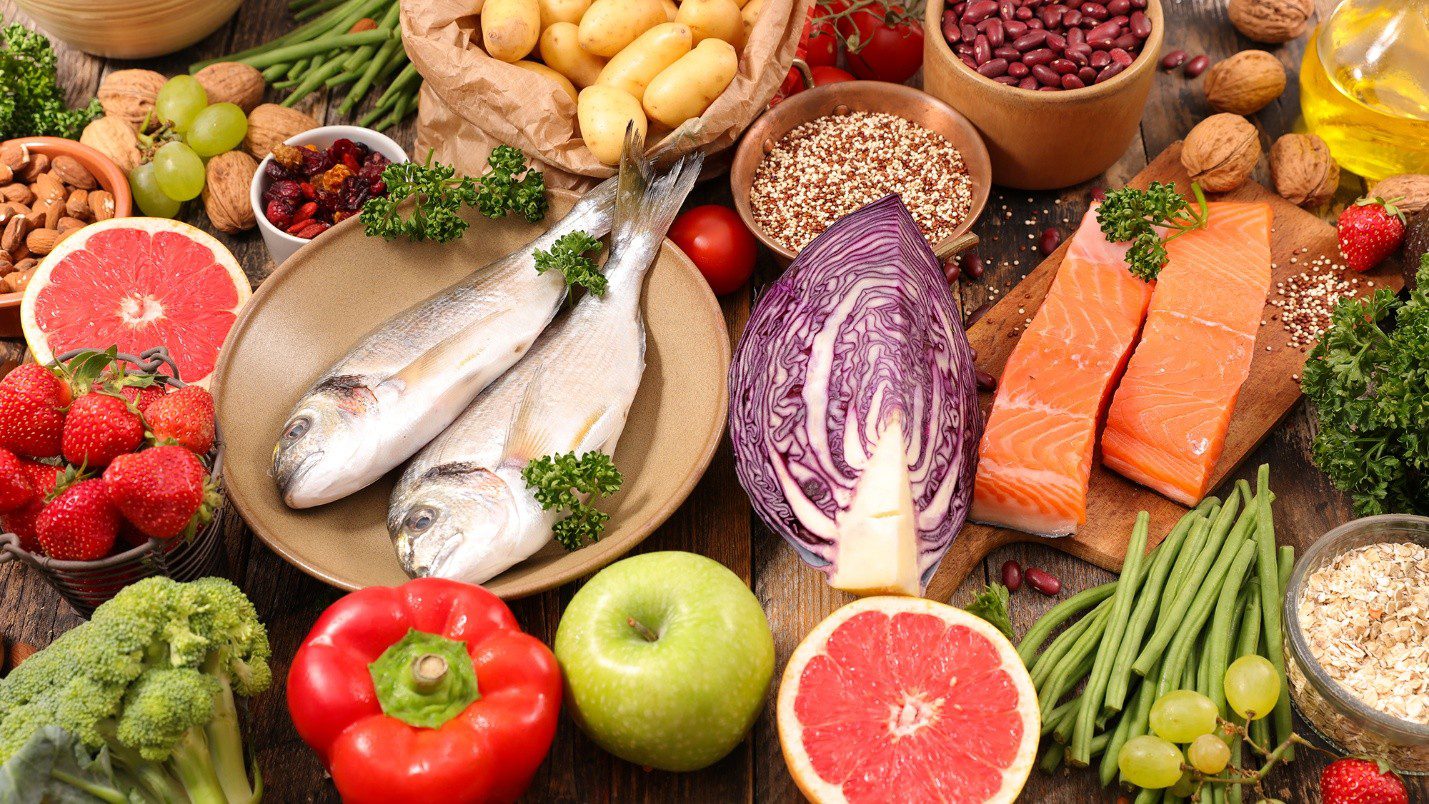
Impact on Food Waste Reduction
Food waste is a major issue in the retail industry. A significant portion of food waste occurs because products lose their visual appeal before they become unsafe to eat.
Advanced LED lighting technologies help address this problem by preserving the appearance of fresh foods for longer periods. Retailers can therefore sell products at full price instead of marking them down due to discoloration or drying.
Practical Benefits for Grocery Stores
Retailers who adopt food-safe LED lighting technologies can achieve measurable improvements in operational efficiency.
Key advantages include:
- Reduced product shrinkage
- Longer display times for fresh foods
- Improved consumer perception of freshness
- Lower energy consumption compared to traditional lighting
These benefits demonstrate that lighting technology can play a strategic role in retail food management.
Conclusion
Fresh lighting technology has evolved significantly in recent years. By incorporating scientific research into lighting design, companies like Promolux have developed solutions that improve both food preservation and merchandising performance.
As grocery retailers continue to seek ways to reduce waste and improve sustainability, food-safe LED lighting systems will become an increasingly important part of modern retail infrastructure.