
Why antioxidant systems matter in food preservation science
Introduction
In modern food preservation science, one of the most important challenges is preventing quality loss caused by environmental exposure, especially light. Many food products degrade not only due to heat or time but because of light-induced food degradation, which accelerates chemical reactions inside sensitive ingredients. In this context, antioxidants play a central role in improving resistance and maintaining product stability.
Light exposure triggers complex reactions studied in food photochemistry, often leading to oxidation, discoloration, and nutrient loss. Antioxidants help slow down these processes by interfering with free radical formation and reducing oxidative stress within food systems. This is why they are a key factor in food quality degradation mechanisms and long-term product stability.
Understanding how antioxidants interact with food oxidation science helps researchers and manufacturers design products that maintain quality under retail lighting conditions. Without antioxidant protection, many foods would experience rapid photochemical food degradation, especially in open display environments.
Why antioxidant systems matter in food preservation science
Antioxidants as protective agents in food systems
Antioxidants act as natural or added compounds that slow down oxidative reactions in food. In food chemistry degradation, these reactions are often triggered or accelerated by light exposure combined with oxygen.
By neutralizing free radicals, antioxidants help reduce oxidation biomarkers in food, which are indicators of spoilage and quality loss. This protective effect is essential for maintaining stability during storage and retail display.
Interaction between light exposure and oxidation
When food products are exposed to light, especially in retail environments, photons can activate sensitive molecules. This process is a core part of food exposure science, where light acts as a catalyst for chemical instability.
In the absence of antioxidants, these reactions progress faster, leading to noticeable quality deterioration. This is why antioxidant systems are directly linked to light sensitivity in food ingredients, particularly in fats, oils, and natural pigments.
Role in food stability science
Antioxidants are essential for maintaining food stability science principles, which focus on preserving the structural and chemical integrity of food products over time.
They help maintain:
- Color stability
- Flavor integrity
- Nutritional value
- Texture consistency
Without antioxidants, food systems become more vulnerable to degradation under both storage and display conditions.
How antioxidants reduce light-induced degradation
Blocking oxidation pathways
In food oxidation science, antioxidants interrupt chain reactions that lead to spoilage. These reactions are often initiated or accelerated by light exposure in retail environments.
This helps reduce light-induced food degradation, especially in products exposed to continuous illumination in display cases.
Enhancing ingredient photostability
Antioxidants improve ingredient photostability by protecting sensitive compounds such as lipids, vitamins, and bioactive molecules from breakdown under light exposure.
This is particularly important in food matrix stability, where complex food structures must remain intact despite environmental stress.
Reducing chemical breakdown in formulations
In food formulation stability, antioxidants are used to ensure that products maintain consistency from production to retail shelf. They reduce the risk of food chemistry degradation caused by light and oxygen interaction.
Antioxidants in retail food environments
Impact on food display exposure science
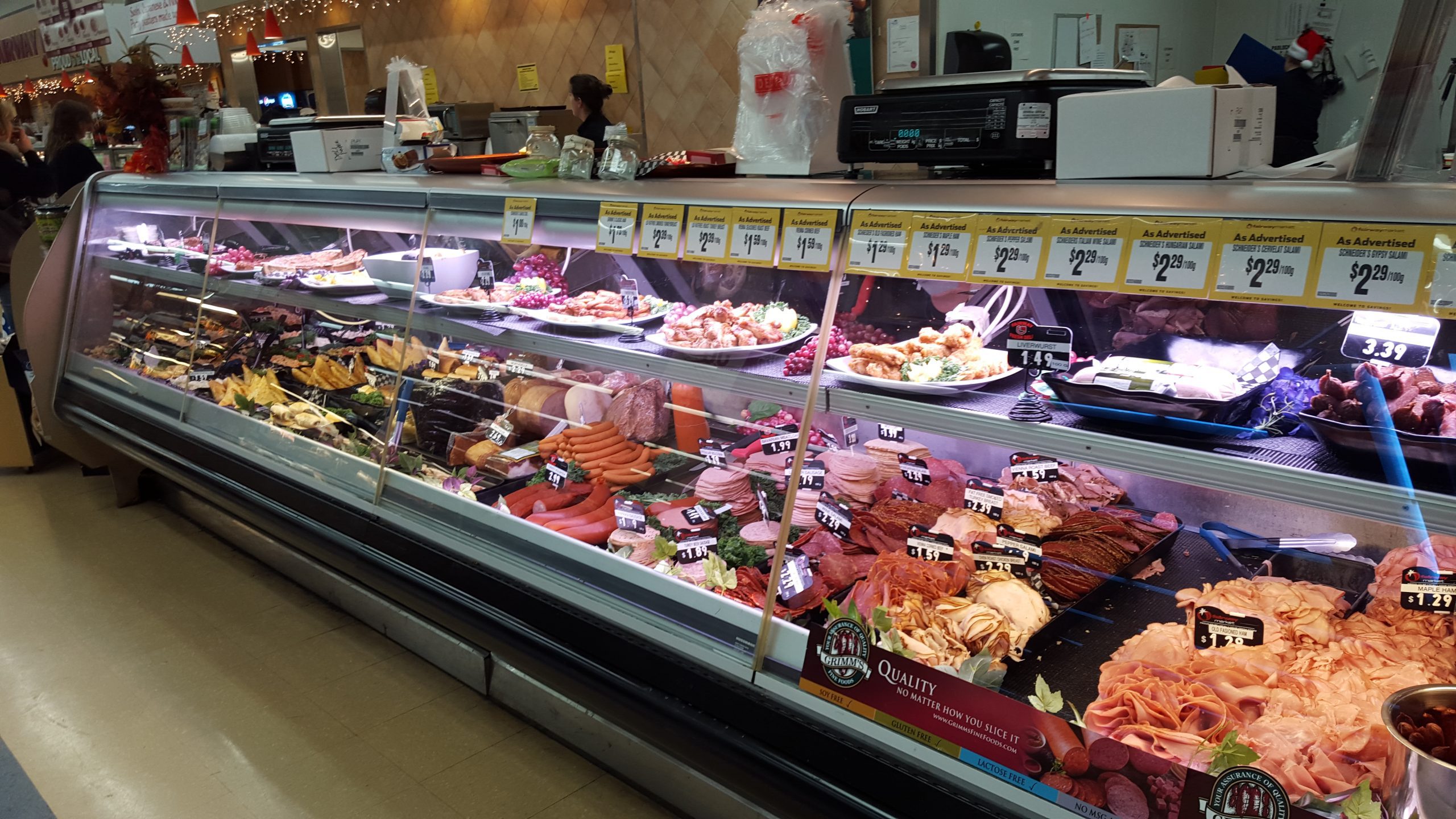
In food display exposure science, products are continuously evaluated under real-world lighting conditions. Antioxidants help reduce degradation during this exposure, especially in open refrigerated displays.
Importance in controlled exposure testing
During controlled exposure food testing, antioxidants are assessed for their ability to maintain product quality under simulated retail lighting conditions. This helps predict real-world shelf performance.
Role in scientific food quality validation
Manufacturers rely on scientific food quality validation to ensure antioxidant systems perform effectively under different environmental conditions, including light exposure.
Antioxidants and food commercialization challenges
Food quality risk assessment
In food quality risk assessment, antioxidants are evaluated as a key factor in reducing product vulnerability to environmental stress, especially light exposure in retail spaces.
Ingredient degradation science applications
Within ingredient degradation science, antioxidants are studied for their ability to slow down breakdown reactions in sensitive compounds.
Functional food stability
For functional food stability, antioxidants help preserve bioactive compounds that are sensitive to light and oxygen exposure, ensuring product effectiveness.
Nutraceutical light sensitivity protection
In nutraceutical light sensitivity, antioxidants play a critical role in protecting vitamins, minerals, and plant-based compounds from degradation.
Scientific evaluation of antioxidant effectiveness
Photostability testing in food systems
Through photostability testing food, researchers evaluate how well antioxidant systems perform under controlled light exposure conditions.
Product stability validation
In product stability validation, antioxidants are tested for long-term effectiveness in maintaining quality under retail and storage environments.
Scientific food exposure testing
Scientific food exposure testing helps determine how antioxidant-treated products respond to different intensities and durations of light exposure.
Food commercialization risk assessment
In food commercialization risk assessment, antioxidants are considered essential for reducing the risk of early product degradation after market launch.