
Plant‑based milks such as almond, oat, soy, and flax beverages are increasingly popular with health‑conscious consumers. Shoppers choose them for their nutritional value, clean taste, and appealing appearance.
However, these products are sensitive to light exposure on grocery shelves. Even when kept cold and sealed, standard lighting can cause quality loss, leading to discoloration, flavor changes, and nutrient degradation.
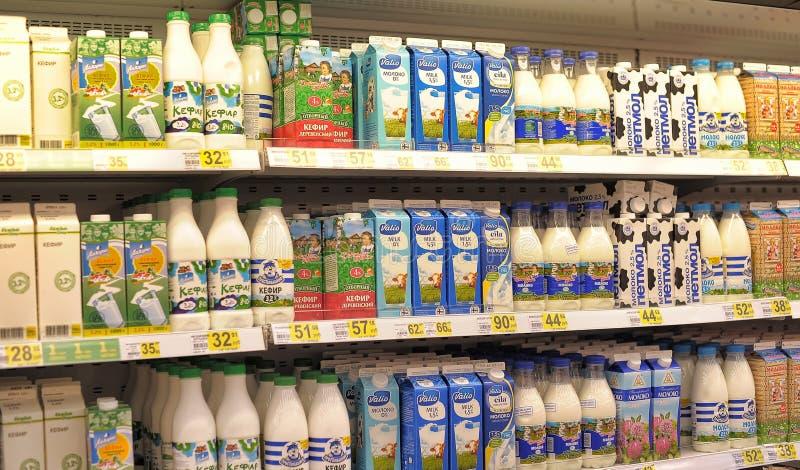
Promolux SafeSpectrum™ LED lighting is engineered to help protect these sensitive beverages, ensuring they look and taste as intended throughout their shelf life.
Why Plant‑Based Milks Are Light‑Sensitive
Plant‑based milks are fortified with vitamins such as riboflavin (B2) and often contain natural pigments from nuts, grains, or seeds. These components are highly reactive to light:
- Riboflavin degradation: Exposure to UV and blue light accelerates vitamin B2 breakdown, reducing nutritional content.
- Flavor instability: Unsaturated fatty acids in almond, soy, or oat bases can oxidize, producing “off” aromas or cardboard‑like tastes.
- Color shifts: Natural creamy hues can fade or develop uneven tones under intense lighting.
Retail insight:- Many consumers associate any change in color or flavor with poor storage even if the product is still within date.
How Standard Lighting Creates Quality Risks
Typical store lighting whether fluorescent or high‑intensity LEDs prioritizes brightness and energy efficiency, not food preservation. These fixtures often emit:
- High‑energy blue wavelengths that accelerate riboflavin and pigment degradation.
- UV leakage from older bulbs that stimulates oxidation reactions inside packaging.
Result:- Even sealed cartons or bottles of plant‑based milk can lose nutritional value and freshness while sitting on a brightly lit shelf.
The SafeSpectrum™ LED Advantage
Promolux SafeSpectrum™ LEDs are designed with a very different focus: protecting product integrity while enhancing merchandising appeal.
- Filters damaging light peaks: Reduces exposure to wavelengths that break down vitamins and fats.
- Preserves natural appearance: Helps almond or oat milk maintain its creamy white tone.
- Extends sensory quality: Minimizes oxidation so beverages taste fresh longer.
- Supports sustainable merchandising: Less spoilage means fewer markdowns and less waste.
Outcome:
Shoppers see beverages that look appealing, and retailers benefit from longer shelf life and better product turnover.
Research Support
Narváez‑Cuenca et al. (2011):
A study on fruit juices fortified with vitamin C and riboflavin showed that UV and blue light exposure significantly reduced nutrient levels, even in sealed containers. This supports the need for controlled lighting in nutrient‑rich beverages.
DOI:10.1016/j.lwt.2011.05.009
Martin et al. (2017):
Research on dairy and dairy‑analog products demonstrated that fluorescent and UV‑heavy lighting accelerates lipid oxidation and vitamin loss, causing off‑flavors and shortened shelf life.
DOI:10.1016/j.lwt.2017.04.054
These findings align with internal Promolux evaluations, which show better vitamin retention and reduced flavor degradation in plant‑based beverages displayed under SafeSpectrum™ LEDs compared to standard lighting.
Proven Benefits in Grocery Dairy Alternatives
Retailers using SafeSpectrum™ LEDs in plant‑based milk sections report:
- Improved color stability: Products maintain their natural appearance, boosting shopper confidence.
- Fewer returns: Customers experience fresher taste and consistent quality.
- Reduced waste: Less product discarded due to perceived spoilage.
- Enhanced brand trust: Shoppers associate the store with higher standards and better care for sensitive products.
Best Practices for Plant‑Based Milk Displays
To complement SafeSpectrum™ lighting:
- Select light‑protective packaging: Opaque cartons or tinted bottles help shield contents.
- Maintain cold chain: Keep consistent low temperatures in display cases.
- Ensure fixture cleanliness: Dust or residue can cause uneven lighting.
- Rotate stock efficiently: First‑in, first‑out ensures older product sells first.
Sustainability and Business Impact
- Lower product losses: Extended shelf life means less waste.
- Energy efficiency: SafeSpectrum™ LEDs match standard LEDs in energy use while delivering food‑friendly spectra.
- Customer loyalty: Consistent freshness in plant‑based milks strengthens brand reputation and drives repeat sales.
Final Thoughts
Lighting is more than visibility; it’s a key part of food quality management.
With Promolux SafeSpectrum™ LED lighting, retailers can:
- Protect sensitive vitamins and flavors in plant‑based milks.
- Extend shelf life and reduce shrink.
- Present products attractively to build shopper trust.
SafeSpectrum™ LEDs go beyond illumination they help ensure your plant‑based offerings meet the highest standards from shelf to home.
Learn more about protecting dairy alternatives: www.safespectrum.com
References
- Narváez‑Cuenca, C. E., et al. (2011). Light effect on vitamin C and antioxidants in fruit juices. LWT – Food Science and Technology. DOI:10.1016/j.lwt.2011.05.009
- Martin, N. H., et al. (2017). Effect of light exposure on lipid oxidation in dairy products. LWT – Food Science and Technology. DOI:10.1016/j.lwt.2017.04.054