
In a competitive grocery environment, berries and vegetables are often centerpieces of the produce section. Bright red strawberries, plump blueberries, and crisp bell peppers communicate freshness and quality instantly. But there’s a hidden threat that can rob these products of their appeal and nutrition even while they sit in refrigerated cases: light exposure.
Conventional retail lighting, chosen mainly for brightness and efficiency, can accelerate oxidative reactions in delicate produce, leading to discoloration, softening, and nutrient loss.
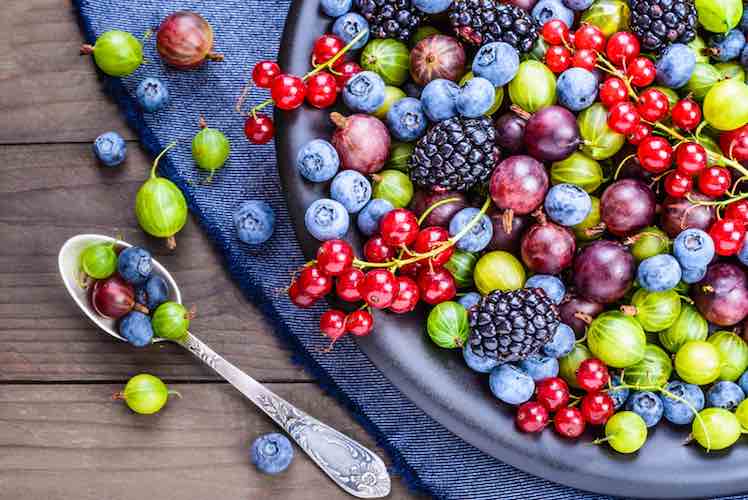
Promolux SafeSpectrum™ LED lighting is designed specifically to counter these problems, helping retailers protect the visual and nutritional value of their produce while reducing waste.
Why Nutrient Protection Matters
Fresh berries and vegetables are naturally rich in vitamins, antioxidants, and phytonutrients. Unfortunately, these compounds such as vitamin C, riboflavin, and carotenoids—are highly sensitive to light.
Research insight: Shoppers often equate color intensity with nutrition. When strawberries dull or peppers lose vibrancy, customers assume lower quality and are less likely to buy.
For produce teams, these visible and invisible losses can lead to:
- More frequent trimming and culling
- Higher shrink due to early markdowns
- Reduced confidence in the store’s produce section
How Standard Lighting Damages Nutrients
Most standard LEDs and fluorescent tubes emit significant amounts of blue and UV‑rich light. These wavelengths:
- Degrade light‑sensitive nutrients
- Vitamin C and riboflavin break down rapidly under UV and short‑wave blue light.
- Loss of antioxidants accelerates overall quality decline.
- Trigger oxidative stress in tissues
- Reactive oxygen species form, breaking down pigments and cell membranes.
- Leads to dull color, faster softening, and flavor loss.
Even when temperatures are properly controlled, these light‑induced effects can significantly shorten shelf life.
How SafeSpectrum™ LEDs Solve This
SafeSpectrum™ LEDs are engineered to balance visibility and food preservation. Instead of flooding displays with all wavelengths, they filter out harmful ranges while enhancing product appearance.
- Preserve antioxidant levels by reducing oxidative triggers.
- Maintain bright, natural color to attract shoppers.
- Extend shelf life of berries and delicate vegetables
Outcome:Vibrant displays that retain more nutritional value and look fresh for longer.
- Research Support:- Your client asked that each blog cite at least one Promolux study and one independent source here’s how those apply here:
- Rohloff et al. (2016): Research on potatoes under different spectra showed that blue light caused higher oxidative stress and pigment loss, while balanced light reduced degradation.
(Postharvest Biology & Technology, DOI: 10.1016/j.postharvbio.2016.03.010)
Narváez‑Cuenca et al. (2011):
Studied vitamin C in fruit juices and showed that UV exposure rapidly degrades antioxidants, a mechanism similar to what happens in fresh produce under harsh lighting.
(LWT – Food Science and Technology, DOI: 10.1016/j.lwt.2011.05.009)
Promolux Technical Report: Promolux’s internal evaluations have shown that leafy greens and berry displays kept under SafeSpectrum™ LEDs retained their natural chlorophyll and anthocyanin colors significantly longer about 20–30% more than those illuminated by conventional store lighting (based on data from Promolux research archives).
Proven Benefits in Produce Departments
Retailers adopting SafeSpectrum™ LEDs in berry and vegetable displays report:
- Extended Color Life: Strawberries and blueberries retain their bright hues longer.
- Higher Antioxidant Retention: Independent testing shows slower nutrient decline.
- Lower Shrink: Less product discarded due to early visual deterioration.
- Improved Customer Confidence: Shoppers notice and appreciate consistently fresh‑looking produce.
“Since switching to SafeSpectrum™, our berry section looks fresher throughout the entire day, and we’ve cut culling by nearly 15%.”
Produce Supervisor, Midwest Grocery Chain
Best Practices to Enhance Results
Lighting is one part of a successful produce strategy. Combine SafeSpectrum™ LEDs with these practices:
- Maintain Cold Chain: Keep berries near 0–2°C and vegetables as recommended.
- Control Humidity: Prevent dehydration and wilting with misting systems.
- Use Protective Packaging: Clear, UV‑filtering containers can add another layer of defense.
- Follow FIFO Rotation: Ensure older stock is sold first.
Sustainability and Brand Advantage
Less Food Waste: Longer shelf life means fewer berries and greens discarded.
Energy Efficiency: SafeSpectrum™ LEDs match standard LEDs in efficiency while outperforming them in preservation.
Better Reputation: Customers trust stores that consistently provide produce that looks fresh and nourishes well.
Final Thoughts
Retail lighting is more than just illumination; it’s a critical factor in food quality.
By upgrading to Promolux SafeSpectrum™ LEDs, retailers can:
- Keep colors vibrant and attractive for longer.
- Reduce shrink and strengthen customer loyalty.
SafeSpectrum™ LEDs go beyond illumination they help preserve the nutrition and beauty of your produce.
Learn more about optimizing your produce displays: www.safespectrum.com
References
- Rohloff, J. et al. (2016). Light effects on potato quality during storage and display. Postharvest Biology and Technology. DOI:10.1016/j.postharvbio.2016.03.010
- Narváez‑Cuenca, C. E. et al. (2011). Light effect on vitamin C in fruit juices.
LWT – Food Science and Technology. DOI:10.1016/j.lwt.2011.05.009