
How lighting conditions influence myoglobin chemistry and consumer perception
Why Meat Color Matters to Consumers
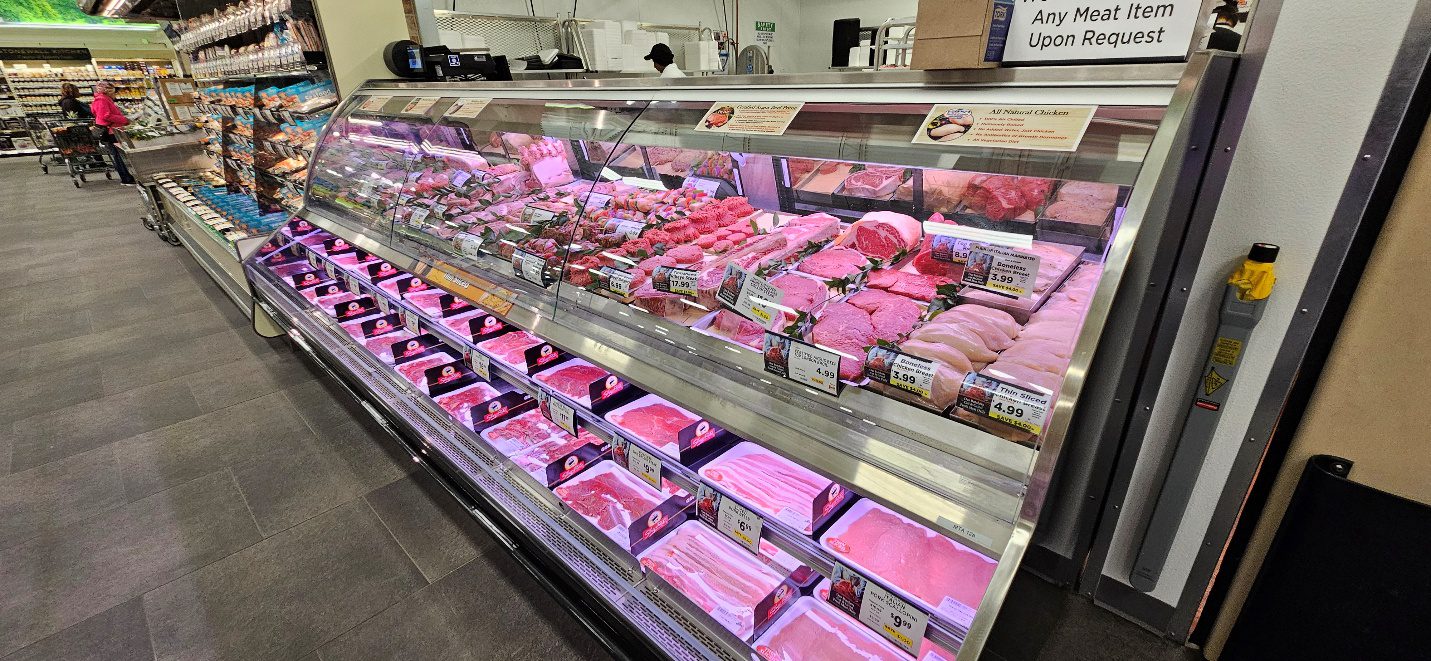
The color of fresh meat is one of the most important factors influencing purchasing decisions. Consumers associate bright red meat with freshness, quality, and safety. Even small changes in color can cause customers to perceive meat as old or spoiled. For this reason, maintaining meat color stability under fresh meat LED display lighting is essential in grocery stores and butcher shops.
The red color of meat comes from a pigment known as myoglobin, which binds oxygen in muscle tissue. The chemical state of myoglobin determines the color of meat. When myoglobin binds oxygen, it forms oxymyoglobin, which appears bright red. When the pigment becomes oxidized, it forms metmyoglobin, which appears brown.
Light Exposure and Myoglobin Oxidation
Lighting systems used in refrigerated meat displays can influence how quickly myoglobin oxidizes. Exposure to certain wavelengths of light provides energy that accelerates oxidation reactions within the pigment molecule. As oxidation progresses, the color of meat gradually shifts from red to brown.
This process can occur even when the meat remains safe to eat. However, consumers often interpret the brown color as spoilage, which leads to product markdowns or disposal.
Visible Wavelengths and Meat Discoloration
Scientific studies have shown that certain wavelengths within the visible spectrum are particularly effective at accelerating pigment oxidation. When these wavelengths are present in display lighting, they increase the rate at which myoglobin converts to its oxidized form.
This means that standard supermarket lighting systems may unintentionally contribute to meat discoloration.
Promolux Spectrum-Controlled LED Lighting
Promolux LED technology was developed to address this issue by controlling the spectral output of display lighting. Instead of emitting the full visible spectrum, Promolux LEDs are engineered to reduce wavelengths that accelerate myoglobin oxidation.
Benefits of this spectrum-controlled lighting approach include:
- slower pigment oxidation
- improved red color stability
- longer visual shelf life of meat products
- increased consumer confidence in product freshness
Reduced Heat and Improved Refrigeration Efficiency
Another important factor in meat display preservation is temperature. Lighting systems that emit significant heat can raise the surface temperature of meat products, accelerating chemical reactions and microbial growth.
Promolux LEDs are designed with low heat emission, which helps maintain stable refrigeration temperatures. Lower surface temperatures reduce the rate of oxidation and help preserve the appearance of meat products.
Benefits for Retailers and Consumers
Using food-safe LED lighting systems provides several advantages for grocery retailers.
These benefits include:
- longer display times for fresh meat
- reduced product shrinkage
- improved customer perception of freshness
- lower operational costs due to energy efficiency
For consumers, improved lighting technology ensures that the color they see in the display case accurately reflects the true freshness of the product.
Conclusion
The color stability of fresh meat is closely tied to the chemistry of myoglobin and the environmental conditions within display cases. Lighting systems that emit damaging wavelengths can accelerate oxidation and discoloration. Promolux LED lighting addresses this problem through spectrum control and low heat emission, helping retailers maintain attractive, fresh-looking meat products while reducing waste.