
How food display lighting influences milk, cheese, and dairy quality
Dairy Products and Light Sensitivity
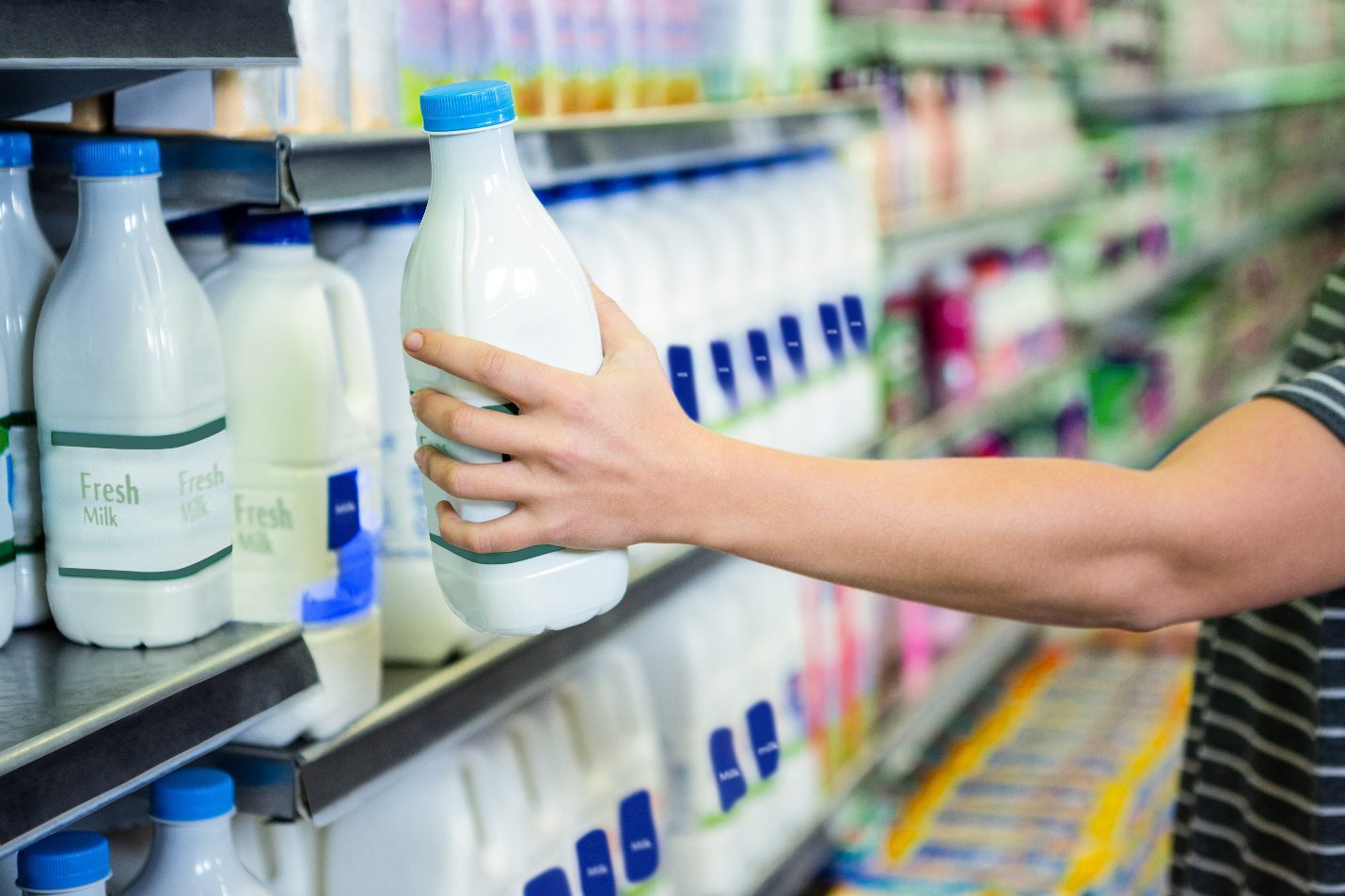
Dairy products are among the most light-sensitive foods in retail environments. Milk, cheese, yogurt, and other dairy items contain compounds that react strongly to light exposure. These reactions can influence flavor, nutritional quality, and visual appearance. Because dairy products are often displayed under refrigerated food display lighting, the interaction between light and food chemistry becomes particularly important.
Dairy foods contain proteins, fats, vitamins, and pigments that can undergo photochemical reactions. These reactions may occur slowly but can significantly impact quality when dairy products are exposed to lighting for extended periods in grocery store displays.
Riboflavin and Light-Induced Reactions
One of the most well-known examples of light sensitivity in dairy products involves riboflavin, also known as vitamin B2. Riboflavin absorbs light energy very efficiently. When it absorbs photons from lighting systems, it becomes activated and can trigger oxidation reactions in milk and dairy products.
This reaction produces compounds responsible for the characteristic “light-struck” flavor sometimes detected in milk stored under bright lighting. The presence of this flavor indicates that chemical changes have occurred within the milk even though the product may still be microbiologically safe.
Lipid Oxidation in Dairy Products
Dairy products also contain lipids that are susceptible to oxidation. When light energy activates photosensitizers like riboflavin, reactive oxygen species can form and attack fat molecules. This process leads to the breakdown of lipids and the formation of compounds that negatively affect flavor and aroma.
Examples of dairy products affected by light-induced oxidation include:
- milk
- cream
- butter
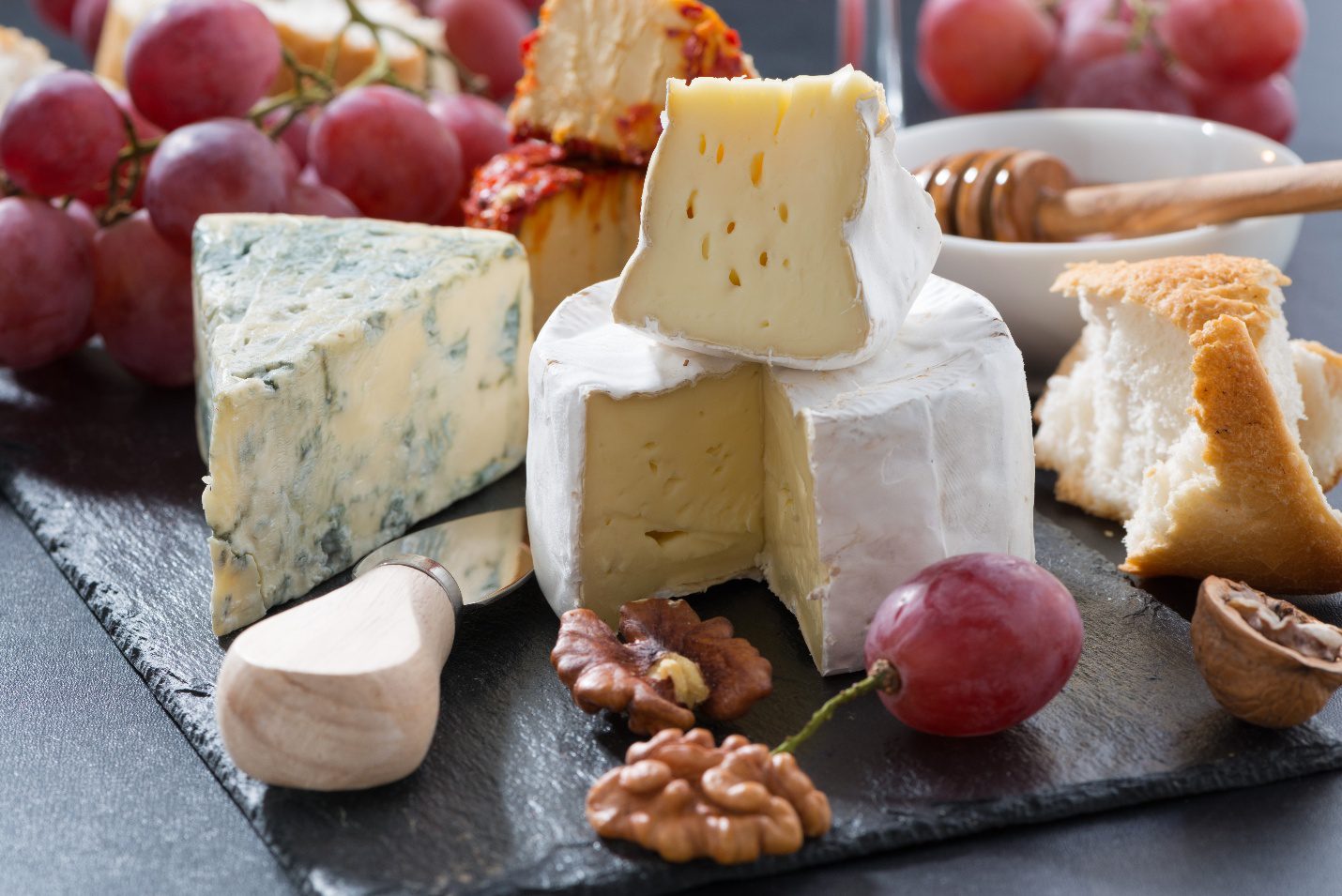
- soft cheeses
These products may develop off-flavors and lose their fresh taste when exposed to inappropriate lighting conditions.
Light Spectrum and Dairy Preservation
The spectral distribution of lighting systems plays a critical role in determining how rapidly these reactions occur. Certain wavelengths of light provide more energy than others, making them more capable of initiating photochemical reactions in dairy products.
Conventional supermarket lighting systems typically emit a broad range of wavelengths, including those that activate riboflavin and accelerate oxidation reactions. Over time, continuous exposure to these wavelengths can significantly reduce dairy product quality.
Promolux Safe Spectrum Technology for Dairy Displays
Promolux LED lighting systems are engineered specifically for food display environments. These lighting systems use Safe Spectrum technology, which reduces wavelengths known to accelerate food deterioration.
By limiting exposure to damaging wavelengths, Promolux LEDs help reduce the activation of riboflavin and slow the oxidation of fats in dairy products. This helps maintain the natural flavor and nutritional value of milk and cheese during retail display.
Reduced Heat and Refrigeration Stability
Another important factor affecting dairy preservation is temperature. Lighting systems that generate heat can increase the temperature of refrigerated display cases. Even small temperature increases can accelerate chemical reactions and microbial growth.
Promolux LEDs produce significantly less heat than traditional lighting technologies. Their low-power chip architecture and advanced thermal management help maintain stable refrigeration conditions.
Benefits for Dairy Retailers
The use of food-safe LED lighting systems offers several measurable benefits for dairy retailers.
Key advantages include:
- improved flavor stability of milk
- reduced oxidation in dairy fats
- longer shelf life for dairy products
- reduced product waste
By protecting dairy products from light-induced degradation, retailers can maintain higher product quality and improve customer satisfaction.
Conclusion
Dairy products are highly sensitive to light exposure due to the presence of riboflavin and oxidizable fats. Conventional lighting systems can accelerate chemical reactions that degrade flavor and nutritional value. Promolux Safe Spectrum LED technology reduces harmful wavelengths and minimizes heat emission, helping preserve the quality of dairy products during retail display.