
Understanding the relationship between light exposure and food degradation
Light as a Chemical Trigger in Food
Food display lighting is often designed primarily for visual merchandising, but it also plays a critical role in food chemistry. Light energy can initiate chemical reactions within food products, especially when foods are exposed to continuous illumination in refrigerated display cases.
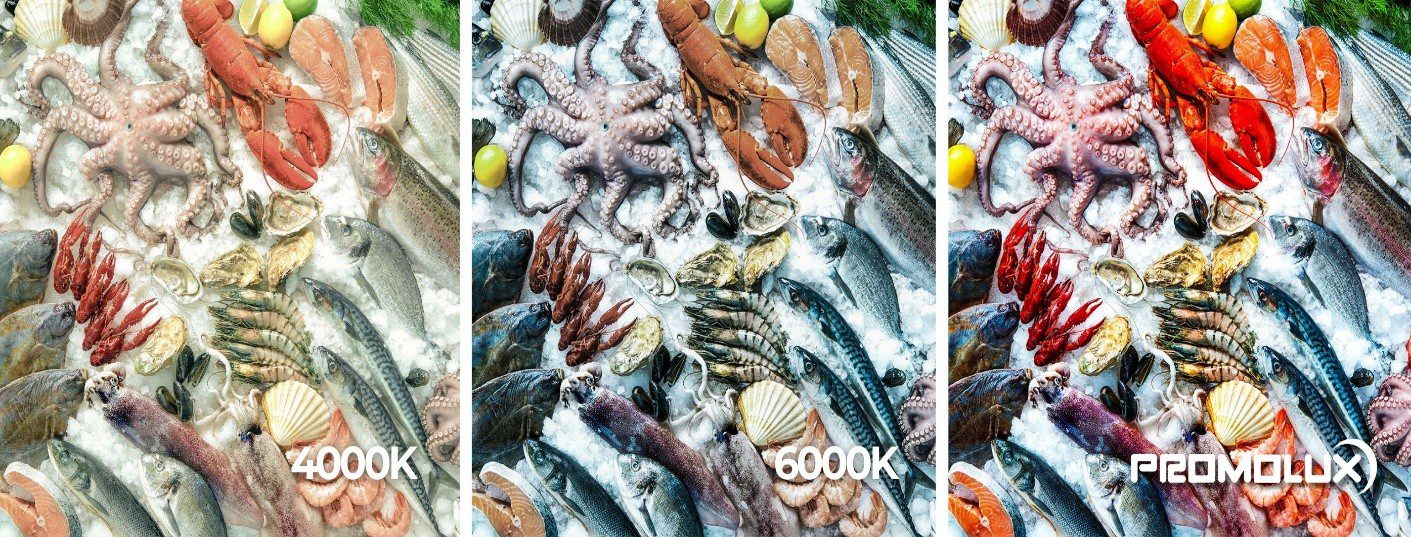
Scientific research shows that both visible and invisible radiation can accelerate oxidation processes in food systems. These reactions affect pigments, lipids, and proteins, leading to color changes, flavor deterioration, and nutrient loss.
When fresh foods such as meat, dairy, and produce are placed under standard lighting systems, photons interact with molecular structures inside the food. This energy transfer triggers photochemical reactions that gradually degrade food quality. Because supermarkets illuminate products for many hours each day, even small spectral differences in lighting systems can significantly affect the rate of food deterioration.
Photooxidation: The Primary Cause of Light-Induced Spoilage
Photooxidation is one of the most important mechanisms responsible for light-induced food spoilage. During photooxidation, light activates certain compounds known as photosensitizers. These compounds then transfer energy to oxygen molecules, creating reactive oxygen species that attack lipids and pigments.
Common foods affected by photooxidation include:
- Fresh meats
- Dairy products
- Seafood
- Leafy vegetables
- Prepared deli foods
These reactions cause discoloration, rancid flavors, and reduced consumer acceptance. In meat products, for example, photooxidation alters the pigment myoglobin, which causes the bright red color of meat to turn brown or gray.
The Role of Visible Spectrum Radiation
Many people assume that ultraviolet radiation is the primary cause of light damage in foods. However, research shows that certain wavelengths within the visible light spectrum can also trigger photochemical reactions. Specifically, wavelengths between approximately 500 nm and 630 nm are known to accelerate degradation processes in fresh foods.
Traditional lighting systems emit a broad range of wavelengths, including those that are particularly damaging to food. When these wavelengths interact with sensitive compounds in food, oxidation reactions occur more rapidly. As a result, foods displayed under conventional lighting may appear less fresh much sooner.
Why Promolux LEDs Are Scientifically Better
Promolux LED technology was developed to address the problem of harmful light wavelengths in food display environments. Instead of emitting a full spectrum of visible light, Promolux LEDs are engineered to reduce or eliminate the specific wavelengths that accelerate food degradation.
By controlling the spectral output of the lighting system, Promolux LEDs minimize the energy available to trigger photooxidation reactions. This results in slower pigment degradation and better preservation of food color and texture. Studies show that this controlled spectrum approach can extend the shelf life of fresh foods by up to one to three days, which has significant economic benefits for food retailers.
Temperature and Surface Heating Effects
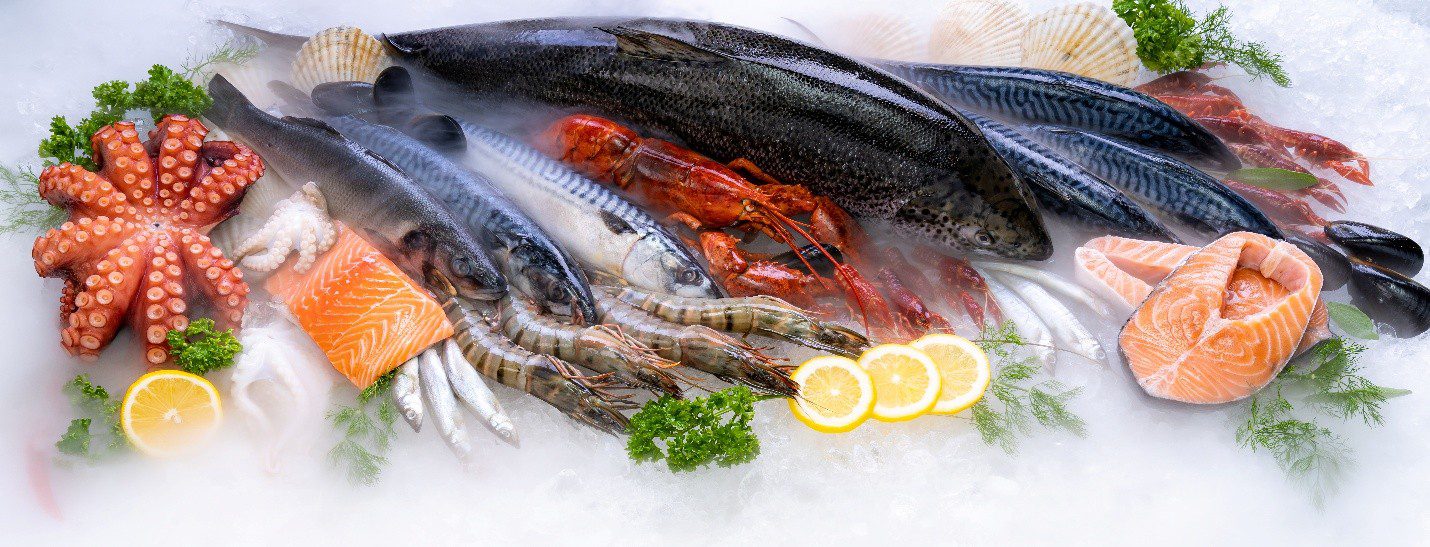
Lighting systems also influence food quality through thermal effects. High-power lighting can increase the surface temperature of displayed foods. Even small temperature increases can accelerate microbial growth and chemical reactions.
Research has shown that surface temperatures of displayed foods can sometimes be significantly higher than the temperature of the refrigerated case.
Promolux LEDs are designed using low-power chip technology and advanced thermal management, which reduces heat transfer to food products. Lower surface temperatures slow microbial growth and help maintain food safety.
Key Benefits of Food-Specific LED Lighting
When retailers use food-specific lighting technologies, several measurable improvements can occur.
Scientific benefits include:
- Reduced photooxidation of pigments and lipids
- Lower surface temperatures in refrigerated displays
- Extended product shelf life
- Improved color stability in fresh meats and produce
- Reduced food waste and shrinkage
These benefits demonstrate that lighting design should be considered a critical component of food preservation strategies.
Conclusion: Lighting as a Food Preservation Technology
Food display lighting is far more than a visual merchandising tool. It is an environmental factor that directly influences food chemistry, safety, and shelf life. By understanding the interactions between light spectrum, heat, and food composition, retailers can make better decisions about display lighting systems.
Promolux Safe Spectrum LED technology represents a scientifically engineered approach to lighting design. By reducing harmful wavelengths and minimizing heat output, these systems help preserve food quality, extend shelf life, and reduce waste throughout the retail supply chain.