
How light spectrum influences the stability of vitamins and antioxidants in fresh foods
Why Nutrient Stability Matters in Retail Food Displays
When consumers purchase fresh foods such as vegetables, dairy products, seafood, and meat, they expect those foods to deliver both flavor and nutritional value. However, the nutrient stability of fresh foods is influenced by environmental conditions encountered throughout the supply chain.
One of the most underestimated variables affecting nutrient preservation is food display lighting. In modern grocery stores, foods are typically illuminated for long periods each day. While this lighting helps improve product visibility and merchandising appeal, it can also trigger chemical reactions that degrade vitamins and antioxidants.
Scientific research in food photochemistry demonstrates that certain nutrients are highly sensitive to light exposure. When foods containing these nutrients are displayed under lighting systems that emit damaging wavelengths, the nutrients can gradually break down. This degradation reduces the nutritional value of the food even before microbial spoilage occurs. As consumers increasingly prioritize nutrition and health, preserving the nutrient content of displayed foods has become an important objective for retailers and food scientists alike.
The Photochemistry of Vitamin Degradation
Vitamins and antioxidants contain molecular structures that can absorb energy from light. When these molecules absorb photons, they may undergo structural changes that reduce their biological activity. This process is known as photodegradation. Several vitamins are particularly vulnerable to this process, including riboflavin (vitamin B2), vitamin A, vitamin C, and certain carotenoids.
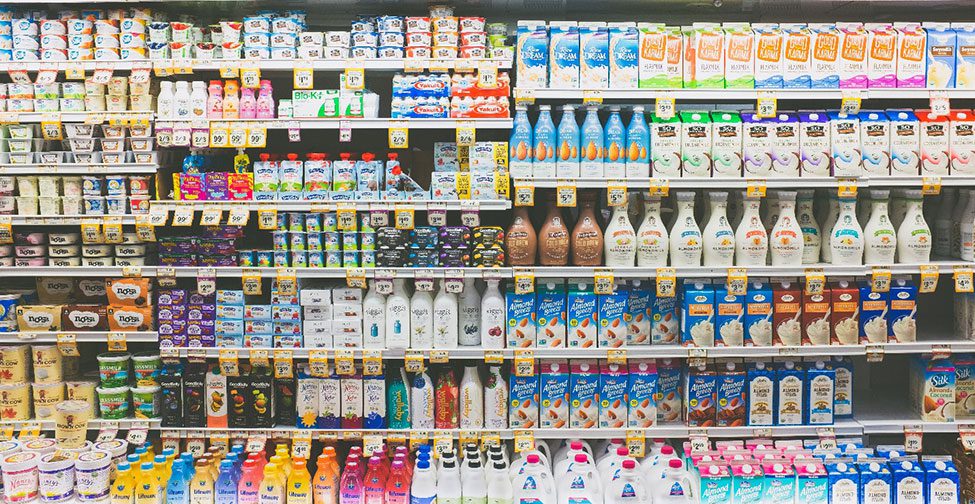
Riboflavin provides a well-known example of light-induced nutrient degradation. Riboflavin is naturally present in milk and dairy products, and it acts as a photosensitizer when exposed to light. Once activated by light, riboflavin can trigger oxidation reactions that affect both flavor and nutritional quality. These reactions may lead to the formation of undesirable flavors often described as “light-struck” taste in milk. In addition to flavor changes, riboflavin itself can degrade, reducing the vitamin content of the product.
Light Spectrum and Nutrient Stability
The wavelength of light emitted by display lighting systems plays a critical role in determining how quickly nutrients degrade. Shorter wavelengths generally contain higher energy levels, making them more capable of initiating photochemical reactions. When food products are exposed to a full spectrum of visible light, certain wavelengths can accelerate oxidation reactions that damage vitamins and antioxidants.
Traditional supermarket lighting systems typically emit a broad range of wavelengths. This means that foods displayed under these lights are continuously exposed to radiation that can activate sensitive nutrient molecules. Over time, this exposure can significantly reduce the nutritional quality of foods such as milk, leafy vegetables, and seafood.
Promolux LED Technology and Nutrient Protection
Promolux LED lighting systems were specifically engineered to reduce the wavelengths that contribute to food deterioration. Rather than emitting the full visible spectrum, Promolux LEDs are designed to limit wavelengths that trigger photochemical reactions in food products. This approach is known as Safe Spectrum lighting technology.
By controlling spectral output, Promolux LEDs reduce the amount of energy available to activate photosensitizers like riboflavin. This helps slow down the photochemical reactions that degrade vitamins and antioxidants. As a result, foods displayed under Promolux lighting can retain their nutritional quality for longer periods compared with foods displayed under conventional lighting systems.
Reduced Heat and Its Impact on Nutrient Preservation
In addition to spectral control, Promolux LED technology incorporates advanced thermal management systems that minimize heat emission. Heat plays a significant role in nutrient degradation because higher temperatures accelerate chemical reactions. When lighting systems generate heat, they can increase the surface temperature of food products even inside refrigerated cases.
Promolux LEDs produce far less heat than traditional lighting technologies. Lower heat output helps maintain stable refrigeration conditions, which further protects sensitive nutrients from degradation. By combining spectral control with reduced thermal radiation, Promolux lighting creates an environment that supports both visual merchandising and nutrient preservation.
Benefits for Retailers and Consumers
The use of food-safe LED lighting technologies offers measurable benefits for both retailers and consumers. By preserving nutrient content and product appearance, retailers can improve product quality while reducing waste.
Benefits include:
- improved retention of vitamins and antioxidants
- slower degradation of sensitive nutrients
- extended shelf life for fresh foods
- reduced product shrinkage and waste
- improved consumer confidence in food quality
For consumers, these improvements mean that the foods they purchase are more likely to deliver the nutritional benefits they expect.
Conclusion
Nutrient degradation caused by light exposure is an important challenge in retail food environments. Photochemical reactions triggered by conventional lighting systems can reduce the vitamin content and overall nutritional value of displayed foods. Promolux Safe Spectrum LED technology addresses this problem by limiting harmful wavelengths and minimizing heat output. Through scientifically engineered lighting design, retailers can protect both the visual and nutritional quality of fresh foods while improving sustainability and reducing waste.