
How lighting technology influences temperature control, microbial growth, and food safety
Understanding the Relationship Between Lighting and Food Safety
Food safety in retail environments depends on maintaining controlled conditions that prevent microbial growth and chemical deterioration. Refrigeration systems are designed to slow bacterial activity by keeping foods at low temperatures, but another environmental factor also plays an important role: food display lighting. While lighting is necessary for product visibility and merchandising, it can also influence the conditions that affect microbial growth.
When lighting systems generate excessive heat or emit damaging radiation, they can alter the environment within refrigerated display cases. Even minor temperature fluctuations can affect microbial growth rates and chemical reactions in food products. For this reason, food scientists and retailers increasingly recognize lighting as an important component of food safety management.
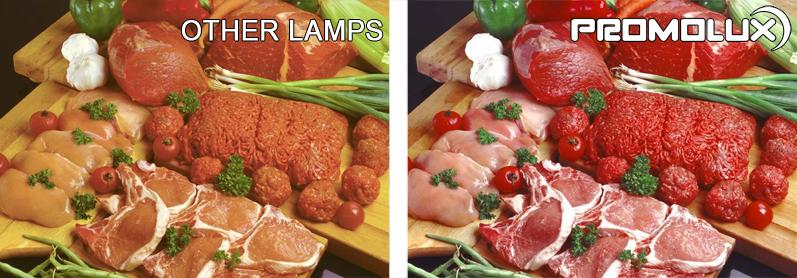
Microbial Growth in Refrigerated Displays
Microorganisms such as bacteria, yeasts, and molds naturally exist in many food products. Refrigeration slows their growth by reducing metabolic activity. However, refrigeration does not completely stop microbial activity. If temperatures rise slightly above recommended levels, microbial growth can accelerate.
Foods particularly vulnerable to microbial growth include:
- fresh meat and poultry
- seafood products
- dairy products
- prepared deli foods
These foods contain moisture and nutrients that support microbial activity. When they are displayed in grocery stores for extended periods, maintaining stable environmental conditions becomes essential.
The Impact of Lighting Heat on Display Cases
Traditional lighting systems used in grocery stores—such as halogen and fluorescent lighting—can produce significant heat during operation. This heat can radiate toward displayed food products and raise surface temperatures.
Surface temperature increases may lead to:
- accelerated bacterial growth
- increased moisture loss
- faster chemical reactions
- reduced shelf life of perishable foods
Even when refrigeration systems maintain proper air temperatures, radiant heat from lighting can create localized warm spots within display cases.
Why Low-Heat LED Lighting Matters
LED lighting technology offers a major improvement in reducing heat generation compared with traditional lighting systems. Because LEDs are more energy efficient, they convert a greater proportion of electrical energy into light rather than heat.
However, not all LED systems are optimized for food display environments. Some LEDs may still emit wavelengths that accelerate chemical reactions in food.
Combined Benefits of Spectrum and Temperature Control
Promolux lighting technology provides a dual benefit by controlling both spectrum and heat emission. Reducing harmful wavelengths helps prevent chemical deterioration, while minimizing heat helps maintain food safety conditions.
Benefits of this approach include:
- improved temperature stability in display cases
- reduced microbial growth risk
- slower oxidation reactions
- extended shelf life of perishable foods
These improvements help retailers maintain high standards of food quality and safety.