
Understanding the role of spectrum, temperature, and oxidation in retail food environments
Light Exposure as a Food Quality Variable
Food display lighting plays a much larger role in food quality than most consumers realize. While lighting is typically designed to make food visually appealing in retail environments, it also influences chemical reactions within food products. Continuous light exposure can trigger oxidative reactions in lipids, pigments, and proteins. These reactions lead to discoloration, flavor deterioration, and nutrient degradation. When fresh foods are exposed to lighting systems for extended periods in grocery stores, even small differences in light spectrum can significantly influence shelf life.
Scientific research into food photochemistry has shown that photons emitted from lighting systems interact with food molecules. This interaction can activate compounds called photosensitizers, which initiate oxidation reactions. These processes are particularly important in refrigerated display cases where food may be illuminated for 12–18 hours per day.
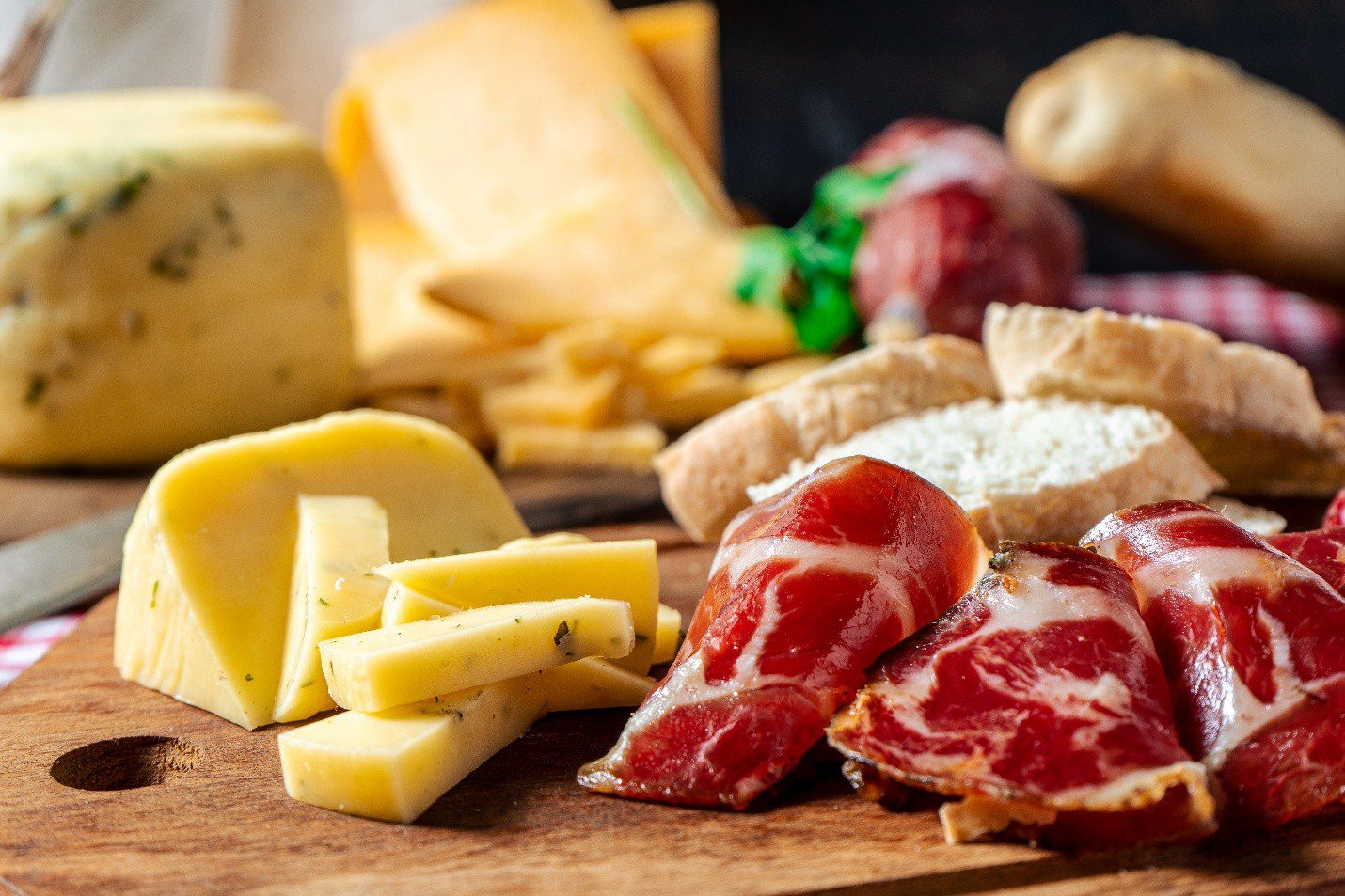
Photooxidation and Food Spoilage
One of the most common mechanisms through which light damages food is photooxidation. Photooxidation occurs when light energy activates oxygen molecules that then attack fats and pigments in food. The result is a cascade of chemical reactions that gradually degrade food quality.
Foods especially vulnerable to photooxidation include:
- fresh meat
- seafood
- dairy products
- leafy vegetables
- prepared deli foods
In meat products, for example, photooxidation affects myoglobin pigments that determine the red color consumers associate with freshness. As oxidation progresses, the pigment changes structure and meat begins to appear brown or dull.
The Importance of Wavelength Control
Not all light has the same effect on food. Certain wavelengths within the visible spectrum contain enough energy to accelerate chemical reactions in food systems. Research has shown that wavelengths roughly between 500 nm and 630 nm can accelerate degradation of pigments and lipids in fresh foods.
Traditional lighting systems emit a broad range of wavelengths, including those that contribute to oxidation. When food is displayed under these lights for long periods, the exposure to these wavelengths increases the rate at which food quality declines.
Why Promolux LEDs Are Scientifically Superior
Promolux LED lighting technology was specifically engineered to address the problem of harmful light wavelengths. Instead of producing a full-spectrum light output, Promolux LEDs are designed to reduce or eliminate wavelengths known to accelerate food degradation.
This technology offers several scientifically measurable benefits:
- Reduced photooxidation of food pigments
- Improved color stability in meat and produce
- Slower lipid oxidation in seafood and dairy
- Lower heat emission compared with traditional lighting
Promolux LEDs also incorporate advanced thermal management systems. Lower heat emission reduces temperature fluctuations in refrigerated display cases, which helps slow microbial growth and maintain food safety.
Lighting Temperature and Food Safety
Another important factor influenced by lighting is food temperature. Lighting systems that generate heat can raise the surface temperature of foods displayed in refrigerated cases. Even small increases in temperature can accelerate microbial activity and chemical reactions.
Promolux LED technology uses low-power chip architecture that minimizes heat output. This helps maintain stable temperatures in refrigerated environments, which further protects food quality.
Retail Benefits of Food-Safe Lighting
For grocery retailers, lighting technology directly influences operational efficiency and profitability. When foods maintain their appearance longer, retailers can sell products at full price instead of discounting them due to discoloration.
Key advantages of food-safe LED lighting include:
- Reduced food waste and shrinkage
- Improved shelf life of perishable products
- Enhanced visual appeal for consumers
- Lower energy consumption compared with conventional lighting
These benefits demonstrate that lighting should be considered part of the overall food preservation strategy.
Conclusion
Food display lighting is not just a merchandising tool; it is an environmental factor that directly affects food chemistry and shelf life. By controlling light spectrum and heat output, advanced LED technologies such as Promolux can significantly improve food preservation. As retailers continue to focus on sustainability and waste reduction, scientifically engineered lighting solutions will become an essential component of modern grocery store infrastructure.