
Understanding how light-driven reactions influence food quality
Introduction to Food Photochemistry
Food photochemistry is the study of how light energy interacts with food molecules and influences chemical reactions. In retail environments, foods are exposed to continuous food display lighting, often for many hours per day. This exposure can initiate photochemical reactions that alter the structure of pigments, proteins, and lipids. As these molecules change, the appearance, flavor, and nutritional value of foods may deteriorate. Understanding food photochemistry allows retailers and food scientists to design lighting systems that minimize these unwanted reactions.
How Photochemical Reactions Begin
Photochemical reactions begin when light photons interact with molecules that absorb energy at specific wavelengths. These molecules, known as photosensitizers, transfer energy to oxygen molecules present in the food environment. This process creates reactive oxygen species that initiate oxidation reactions.
Foods commonly affected by these reactions include:
- fresh meats
- dairy products
- seafood
- leafy vegetables
- prepared deli foods
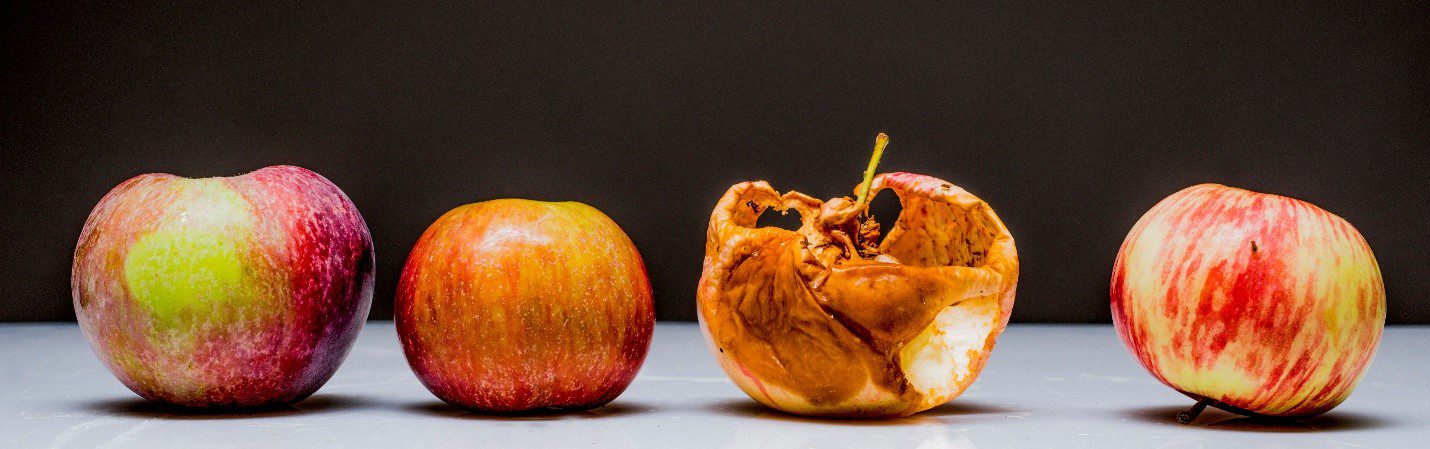
When oxidation reactions occur, pigments degrade and lipids break down, leading to discoloration and off-flavors.
Impact of Light Spectrum on Photochemistry
The light spectrum emitted by lighting systems determines how much energy is available to trigger photochemical reactions. Certain wavelengths in the visible spectrum contain enough energy to activate oxidation processes. When foods are exposed to these wavelengths repeatedly, chemical reactions accelerate.
Reducing harmful wavelengths can therefore slow down photochemical reactions and preserve food quality for longer periods.
Promolux LEDs and Photochemical Control
Promolux LED technology was developed using research into food photochemistry. Instead of producing a full visible spectrum, Promolux LEDs are designed to reduce wavelengths known to trigger food deterioration.
Scientific advantages include:
- reduced pigment oxidation
- slower lipid degradation
- improved color stability
- extended product shelf life
By controlling spectral output, Promolux LEDs help maintain the natural appearance of foods in grocery stores
Conclusion
Food photochemistry plays a critical role in determining how foods respond to light exposure in retail environments. Lighting systems designed with food science principles can significantly reduce chemical degradation. Promolux LED technology represents an example of how spectral engineering can improve food preservation and retail sustainability.