
Understanding how lighting systems influence fat stability in fresh foods
The Chemistry of Lipid Oxidation in Food
Lipids are essential components of many foods, contributing to flavor, texture, and nutritional value. However, lipids are also highly susceptible to oxidation. When fats are exposed to oxygen and energy sources such as light, chemical reactions begin that gradually degrade food quality. This process is known as lipid oxidation, and it is one of the primary causes of flavor deterioration and rancidity in perishable foods.
In retail environments, foods are often displayed under continuous food display lighting, which provides the energy required to initiate these oxidation reactions. Photons emitted from lighting systems interact with lipid molecules and initiate free-radical reactions that spread throughout the food matrix.
How Light Accelerates Fat Degradation
When light interacts with certain molecules in food, it activates compounds known as photosensitizers. These molecules transfer energy to oxygen, producing reactive oxygen species (ROS). These highly reactive molecules attack unsaturated fatty acids, causing lipid molecules to break down into smaller compounds.
The breakdown of lipids produces volatile compounds that affect both flavor and aroma. This is why foods exposed to intense lighting often develop off-flavors even when they remain microbiologically safe.
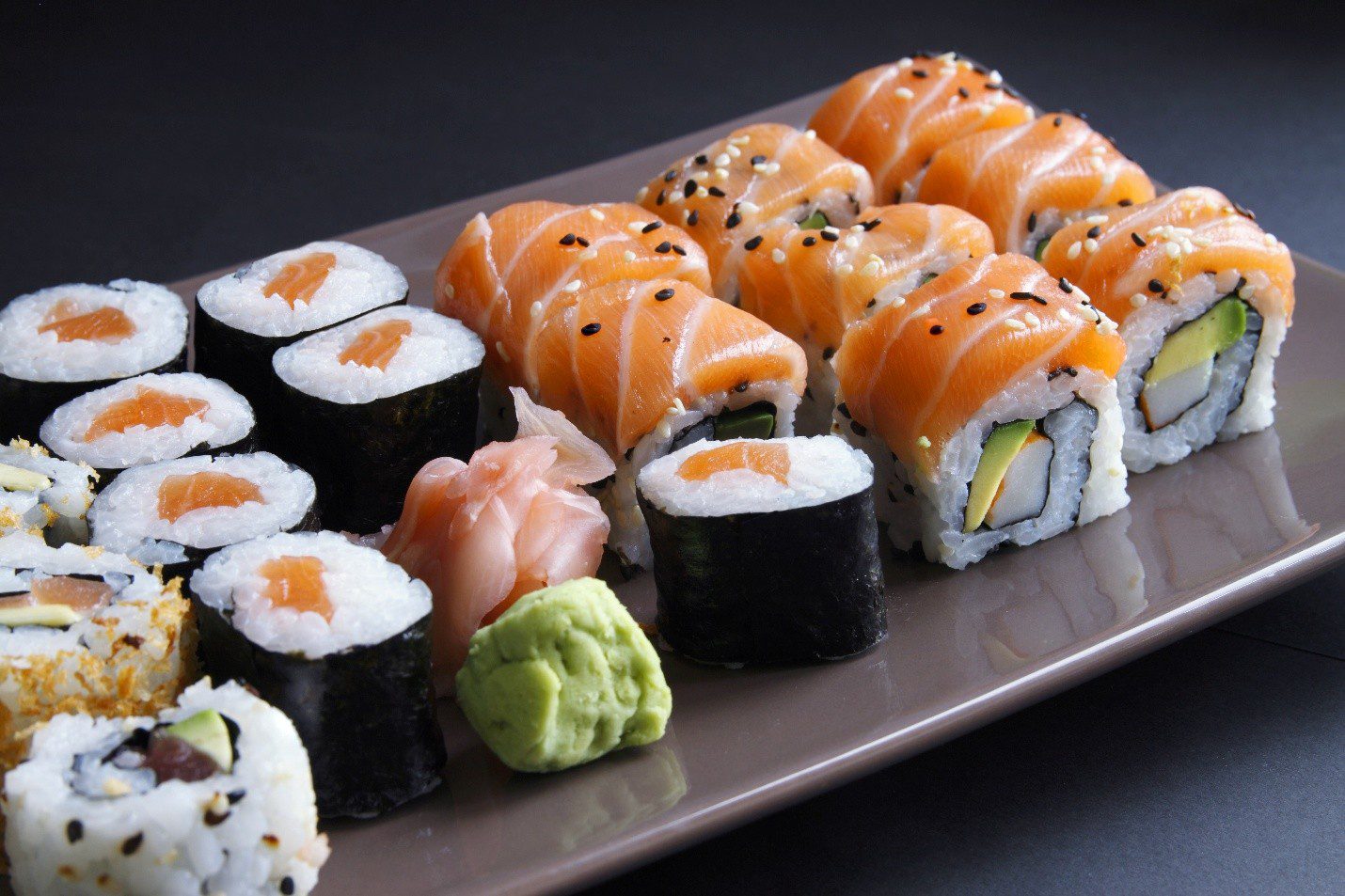
Foods especially vulnerable to light-induced lipid oxidation include:
- seafood and fish
- dairy products
- nuts and oils
- processed meats
Because these foods contain high levels of unsaturated fats, they are particularly sensitive to light exposure.
The Role of Wavelength in Oxidation
Not all light wavelengths have the same effect on food chemistry. Certain wavelengths in the visible spectrum carry enough energy to initiate oxidation reactions more efficiently than others.
Research has shown that wavelengths between 500 nm and 630 nm can accelerate oxidation reactions in fresh foods. Traditional lighting systems emit these wavelengths freely, which increases the likelihood of chemical reactions occurring during food display.
This means that lighting design must be carefully considered in refrigerated cases and supermarket displays.
Why Promolux LEDs Reduce Lipid Oxidation
Promolux LED lighting technology is designed specifically for food display environments. Instead of emitting a full spectrum of light, Promolux LEDs are engineered to reduce or eliminate wavelengths that accelerate oxidation reactions.
This controlled spectrum approach provides several scientific benefits:
- reduced activation of photosensitizers
- lower formation of reactive oxygen species
- slower degradation of fatty acids
- improved flavor stability in foods
By minimizing these oxidation reactions, Promolux lighting helps maintain the natural taste and aroma of foods displayed in grocery stores.
Heat Generation and Oxidation
Another factor that influences lipid oxidation is temperature. When lighting systems produce heat, they raise the surface temperature of displayed foods. Even small temperature increases can accelerate oxidation reactions.
Promolux LED technology uses low-power chip architecture and advanced thermal management, which significantly reduces heat output compared with conventional lighting systems.
Lower heat levels help maintain stable refrigeration conditions and slow the chemical reactions responsible for food spoilage.
Retail Implications for Food Quality
For retailers, lipid oxidation has significant economic consequences. Foods that develop rancid flavors or unpleasant odors must often be discarded before they are sold.
Lighting technologies that reduce oxidation can therefore provide measurable benefits:
- longer shelf life for fatty foods
- improved product taste and aroma
- reduced product shrinkage
- lower food waste
These improvements help retailers maintain product quality while reducing operational losses.
Conclusion
Lipid oxidation is a major factor in food deterioration, particularly in products rich in unsaturated fats. Lighting systems play an important role in accelerating or slowing these chemical reactions. By controlling light spectrum and reducing heat output, Promolux LED technology helps protect foods from oxidation and preserves their natural flavor and aroma for longer periods.