
How lighting design affects refrigeration performance
Refrigeration and Lighting Interaction
Refrigerated display cases are designed to keep food products at safe temperatures while presenting them attractively to customers. However, lighting systems installed inside these cases can influence temperature stability.
Traditional lighting technologies often produce significant heat, which can raise the temperature of food surfaces. This increase in temperature may accelerate microbial growth and chemical reactions that degrade food quality.
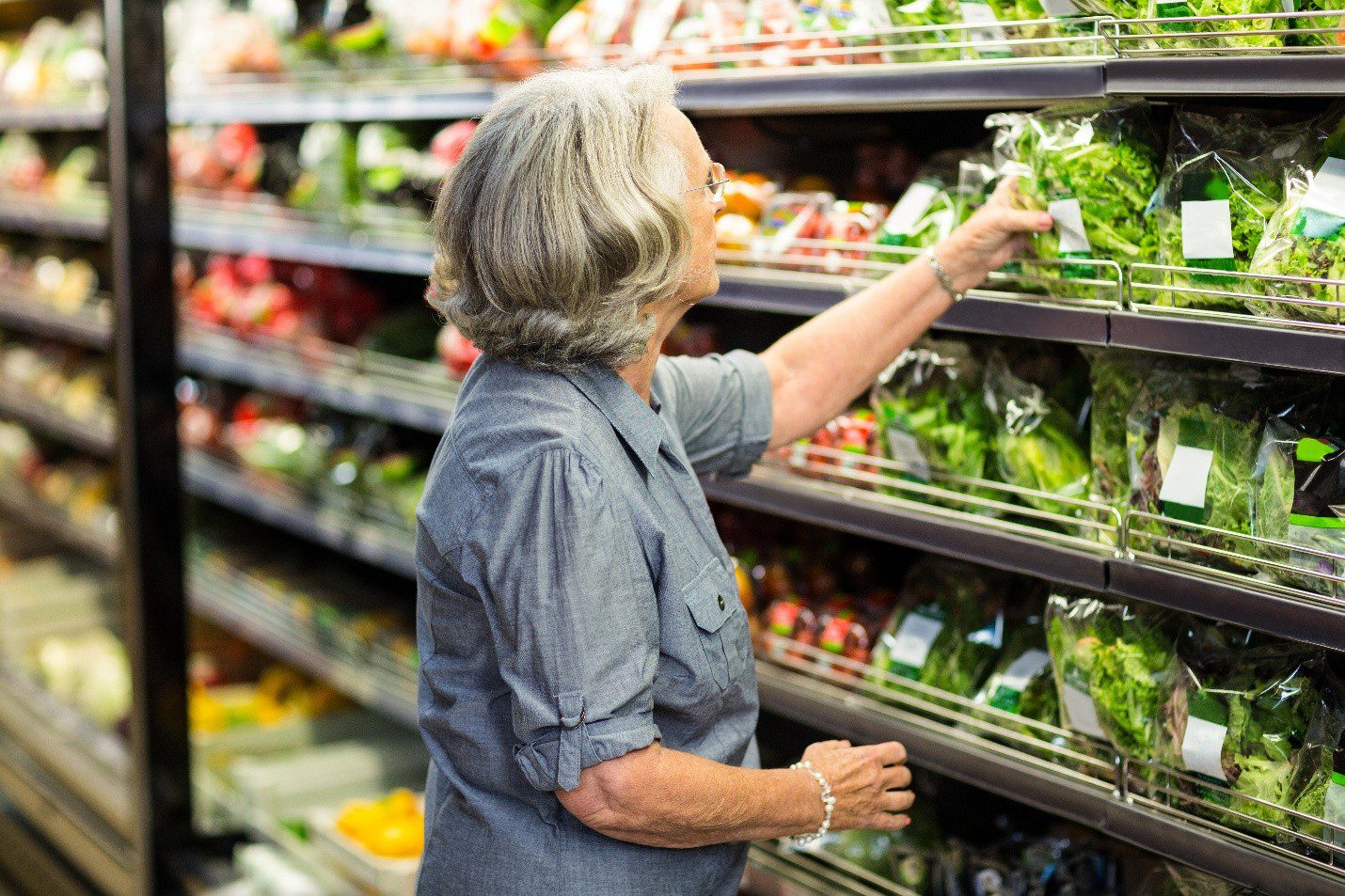
Surface Temperature and Food Stability
Food safety guidelines emphasize maintaining low temperatures to slow microbial growth. When lighting systems generate heat, they can create localized temperature increases that undermine refrigeration systems.
Surface temperatures of food products can sometimes be higher than the surrounding air in the display case due to radiant heat from lighting systems.
This phenomenon can lead to:
- increased bacterial growth
- faster moisture loss
- accelerated oxidation reactions
For this reason, the thermal performance of lighting systems is an important factor in food safety.
Why LEDs Are Better Than Traditional Lighting
LED lighting technology is generally more energy efficient than fluorescent or halogen lighting systems. LEDs produce less radiant heat, which helps maintain stable refrigeration temperatures.
However, not all LED lighting systems are designed specifically for food display environments. Some LEDs still emit wavelengths that can damage food quality.
Promolux LEDs and Thermal Efficiency
Promolux LED lighting systems are engineered to minimize heat output while maintaining optimal brightness for food displays. Their low-power chip technology reduces thermal radiation, which helps maintain consistent refrigeration conditions.
Lower heat emission provides several benefits:
- improved temperature stability
- reduced risk of microbial growth
- slower chemical reactions in food
These factors contribute to better preservation of food quality and safety.
The Combined Effect of Spectrum and Temperature
The interaction between light spectrum and temperature is an important consideration in food display environments. When foods are exposed to both high-energy wavelengths and increased temperatures, chemical reactions occur more rapidly.
Promolux technology addresses both factors by controlling the spectral composition of light while minimizing heat generation.
Benefits for Supermarkets
Retailers who adopt food-safe lighting systems can achieve significant improvements in operational efficiency.
Key benefits include:
- better temperature control in refrigerated cases
- extended shelf life for fresh foods
- reduced product waste
- improved consumer confidence in product freshness
These advantages demonstrate that lighting design should be integrated into food safety strategies.
Conclusion
Temperature control is essential for maintaining food safety in retail environments. Lighting systems can influence refrigeration performance through both spectral output and heat generation. Promolux LED technology addresses these issues by combining spectrum control with low heat emission, creating a safer environment for displaying perishable foods.